 Surfology
Home › Learn › Surf culture
Surf culture, decoded: the real lessons behind the jokes
Every surfer has a favorite excuse, a pet phrase and a type in the lineup they can't stand. The catch is that most of the jokes are half true. Behind each one is a real thing about boards, wind, tides or lineup manners that, once you understand it, turns a bad session into a good one.
Your board: too small, too hot, too dinged
"My board is too small." Honestly? It might be. A small board looks cool, but it floats less, paddles slower and wobbles more. If you can't catch waves, or you sink when you sit on it, the board may be the problem, not you. Most people learn faster on a big, floaty soft-top or longboard: it paddles into waves early and is stable when you stand up.
The real fix: ride more foam until you can catch waves on your own, pop up cleanly and turn along the wave. Then step down a little at a time. Catch your first waves in the whitewater.
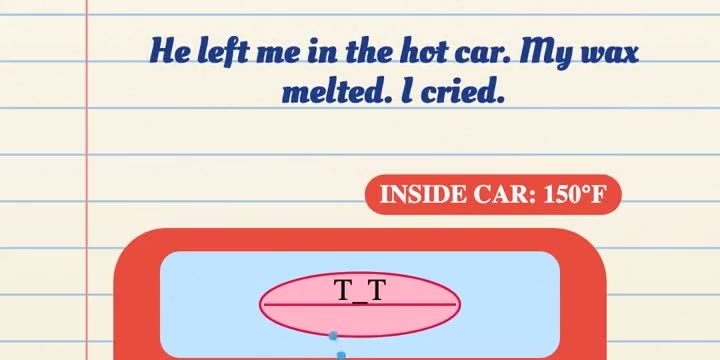
If your board kept a diary, the sad days would be the hot car and the stairs. A closed car in the sun gets hot enough to melt wax, and serious heat can make the fiberglass lift off the foam in bubbles. Keep your board in the shade, in a board bag if you have one, and never in a parked car or on hot sand for hours.
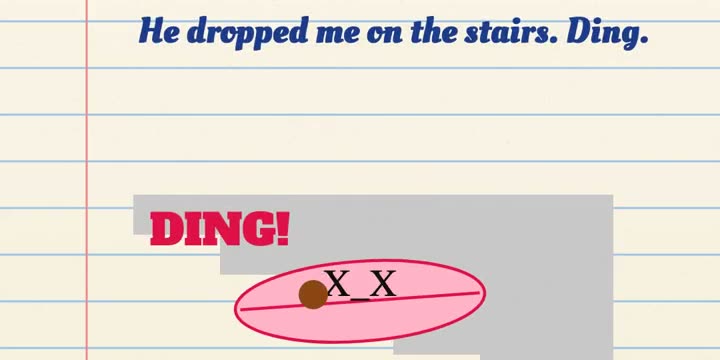
Then there's the ding: a crack or hole in the outside of the board. Through it, water soaks into the foam core and makes the board heavy and weak. When you see one, get out, rinse the board with fresh water, let it dry and seal it, with a ding repair kit or at a surf shop, before your next session. And yes, every board hopes you don't come home with a new one.
Wind and the forecast
"The wind turned." Also true more often than people think. Wind shapes the surface of the waves you ride. A light offshore wind, blowing from the land out to sea, holds the wave face up and keeps it smooth. An onshore wind, blowing from the sea toward the beach, crumbles the waves and makes them choppy and messy. Many spots have their lightest wind early in the morning, and the wind often picks up through the day.
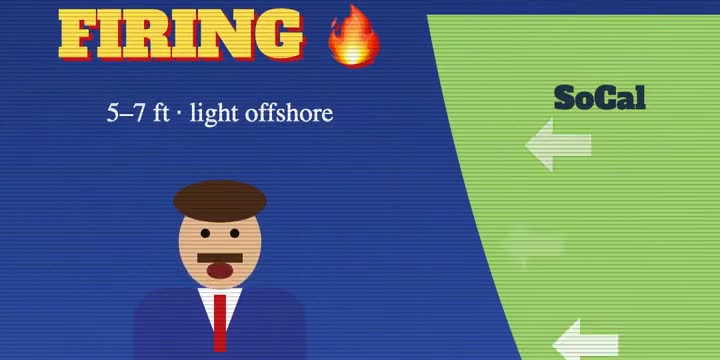
That's why a surfer's dream forecast reads like "5 to 7 ft, light offshore," and why some offices mysteriously empty on those mornings. To read a forecast yourself, look at four things together: swell height, swell period (longer means more powerful waves), wind and tide. And check the size against your level. Five to seven feet is a day for experienced surfers.
The real fix: check the wind forecast along with the swell, and go when it's light or offshore. Learn why some waves peel and others close out in our guide to how waves work.
Beginner tip: Look for small days, waist high or smaller, with light wind. A firing day for the regulars is usually a day to watch from the sand while you're learning.
Tides: blame the moon
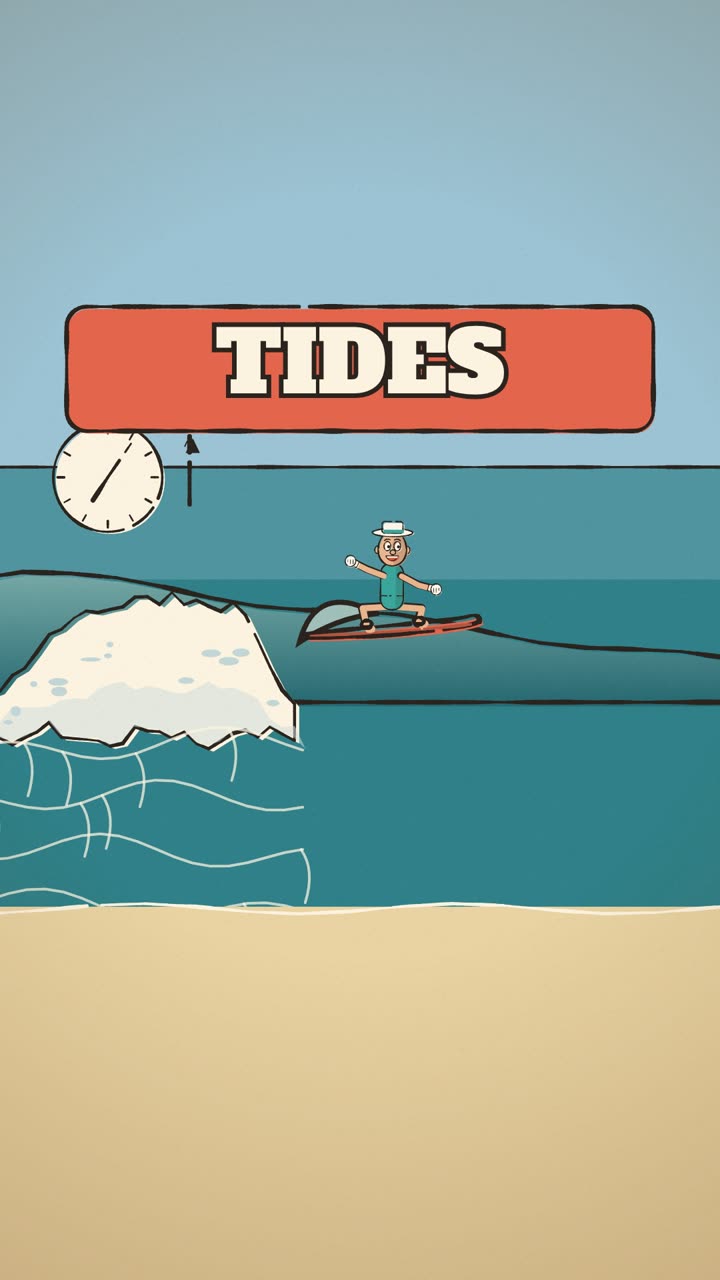
"The tide was wrong" is one of the most honest excuses in surfing. Pumping at 7 a.m., rocks by 10. The moon's gravity, with a smaller pull from the sun, pulls the ocean into tides. Most SoCal beaches get two high and two low tides a day, and they aren't equal: one low is usually lower than the other.
Many spots only work on part of the tide. Too low and a wave can get shallow, fast and closed-out, or rocks show. Too high and it can go soft and fat, or not break at all. And the timing moves: high and low tide arrive about 50 minutes later each day, so yesterday's perfect 7 a.m. session may be closer to 8 a.m. today.
The real fix: look up a tide chart for your spot and learn which part of the tide it likes. Our tides guide walks through low, mid and high tide.
Lineup manners: "My wave."
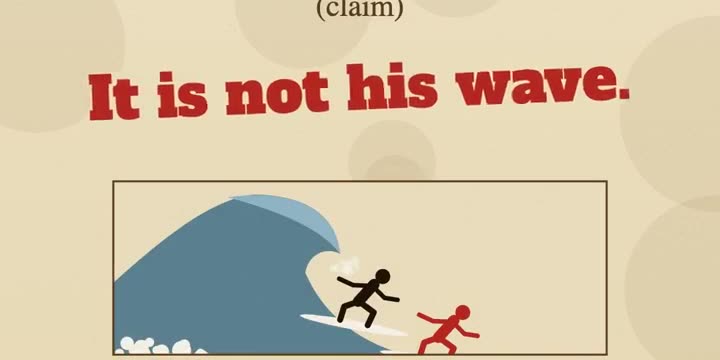
Spoiler: it is often not his wave. The basic rule is one surfer per wave, and the surfer closest to the peak, where the wave breaks first, has the right of way. Taking off in front of someone who is already riding is called dropping in, and it is the fastest way to make the whole lineup dislike you. Read our right of way guide.
Every lineup also seems to hold the same cast of characters, and each one is a lesson in what not to do.
- The Local. Surfs there every day and doesn't talk much. Locals aren't the enemy: they know the spot. At a new break, sit and watch first, take your turn, smile, and don't paddle straight to the main peak.
- The Snake. Paddles around you in a lazy curve to get closer to the peak, then takes the wave you were waiting for. That is snaking. Wait your turn instead.
- The Board Thrower. Lets go of the board whenever a wave comes. A leash keeps it from washing to the beach, but the board still flies a leash length behind you, right where the next surfer is. Hold on, and learn to push through, turtle roll or duck dive.
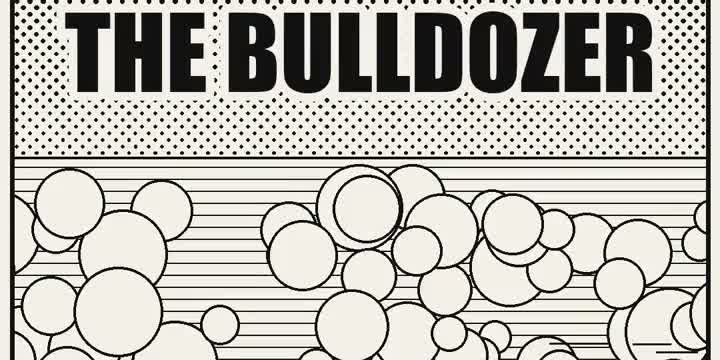
- The Bulldozer. Paddles straight up the middle, through the peak and into riders' paths. Paddle out wide, and if someone is riding toward you, go toward the whitewater behind them, not into their line.
The real fix: one surfer per wave, take turns and paddle wide.
Surfer to English
- "It was way bigger than it looks." It wasn't. Surfers measure waves in different ways, and some call a wave's size from its back, so the numbers rarely agree. Judge by the face against a person: knee, waist, chest or head high. That's the scale that tells you if a wave suits you.
- "You should've been here yesterday." You'll never know. Surf changes every day with the swell, wind and tide, and a swell can drop overnight. Yesterday Guy has a point, though: when the forecast lines up, go then.
- "Just a quick one." Four hours later... Surfing tired is when you get caught inside and miss the easy waves. In winter, the water is about 57 to 62 °F and cold saps energy fast, and in November and December the sun sets around 5 p.m. or a little earlier. Wear a 4/3 mm wetsuit, set a time and leave while you still have energy.
Knowing when to stay on the beach
"Didn't feel like it" is sometimes the wisest excuse of all. Staying on the beach is a skill. Good reasons to sit out: the waves are bigger than you can handle, there's a strong rip, you're exhausted or cold, or there has been heavy rain, which washes runoff from streets and rivers into the ocean, so check local water-quality advisories first. If you're not sure, don't go out.
But if "didn't feel like it" really means you're nervous, that's normal too. Work up slowly: pick small, clean days, surf near a lifeguard and build confidence one session at a time. Read our beach hazards and rip current guides so you know what you're looking at.
Two more excuses and a legend
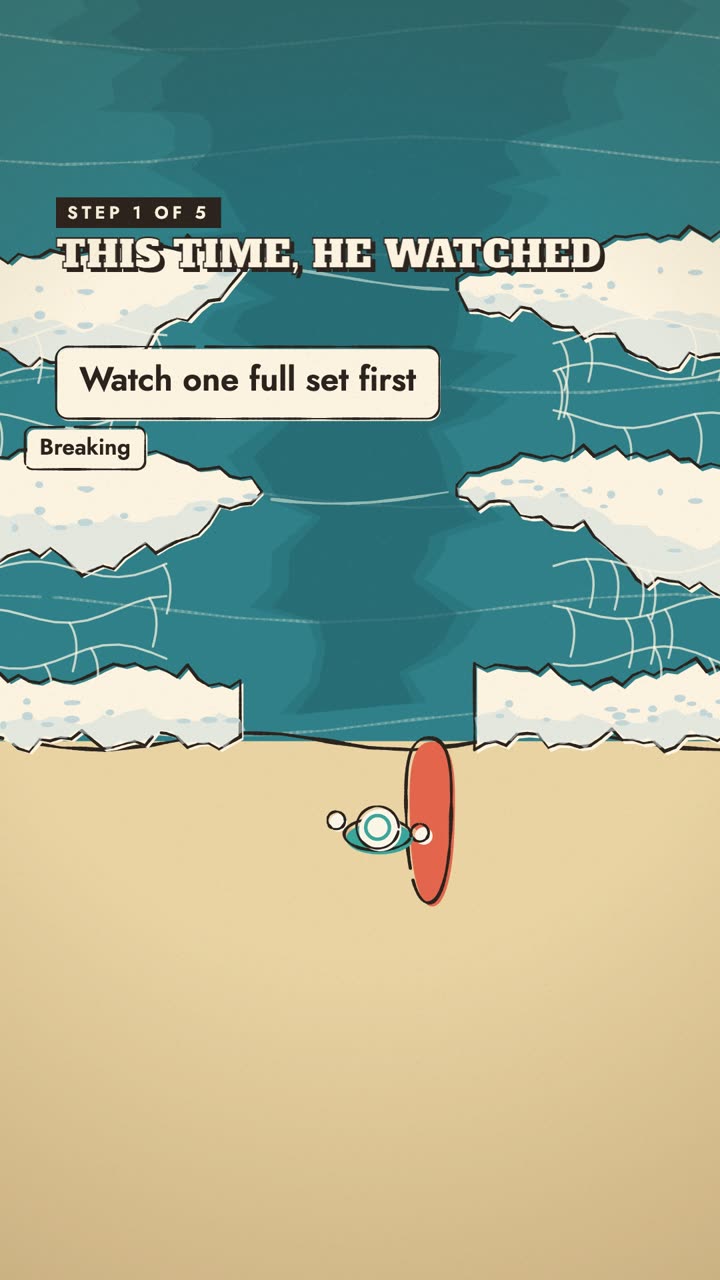
"I couldn't get out" is where most new surfers give up. You don't need to be stronger, you need better timing: watch a full set from the beach, paddle out in the lull and go beside the channel, not straight into the breaking waves. See our paddle-out guide.
Then there's the legend who is already out at 5 a.m. Early sessions often mean lighter wind and fewer people. In winter, though, it's still dark at 5 a.m., so wait for first light before you paddle out. And the expert on the beach who knows everything about surfing but hasn't been in for decades? Watching from the sand is a good start. Then get in the water: that is where you actually learn.
FAQ
Is a bigger surfboard better for beginners?
Yes, for most people. A bigger, floatier board such as a soft-top or longboard paddles faster, catches waves earlier and is more stable when you stand up. Move to smaller boards once you can catch waves on your own.
What wind is best for surfing?
Light offshore wind, blowing from land to sea, keeps waves smooth and holding up. No wind, called glassy, is great too. Strong onshore wind makes the waves choppy and messy. Many spots are best early in the morning.
Does the tide really matter for surfing?
Yes. Many spots only work well on part of the tide, and the tide shifts about 50 minutes later each day. Check a tide chart for your spot and learn whether it prefers low, mid or high tide.
What is snaking in surfing?
Snaking is paddling around another surfer to get closer to the peak, so you can claim the wave they were waiting for. It breaks the lineup's turn-taking. Wait your turn, and remember the surfer closest to the peak has the right of way.
Can I leave my surfboard in a hot car?
Try not to. A closed car in the sun gets hot enough to melt wax, and serious heat can make the fiberglass separate from the foam. Keep the board in the shade or in a board bag, and take it inside when you're home.