 Surfology
Home › Learn › Ocean and safety
5 beach hazards beginner surfers miss
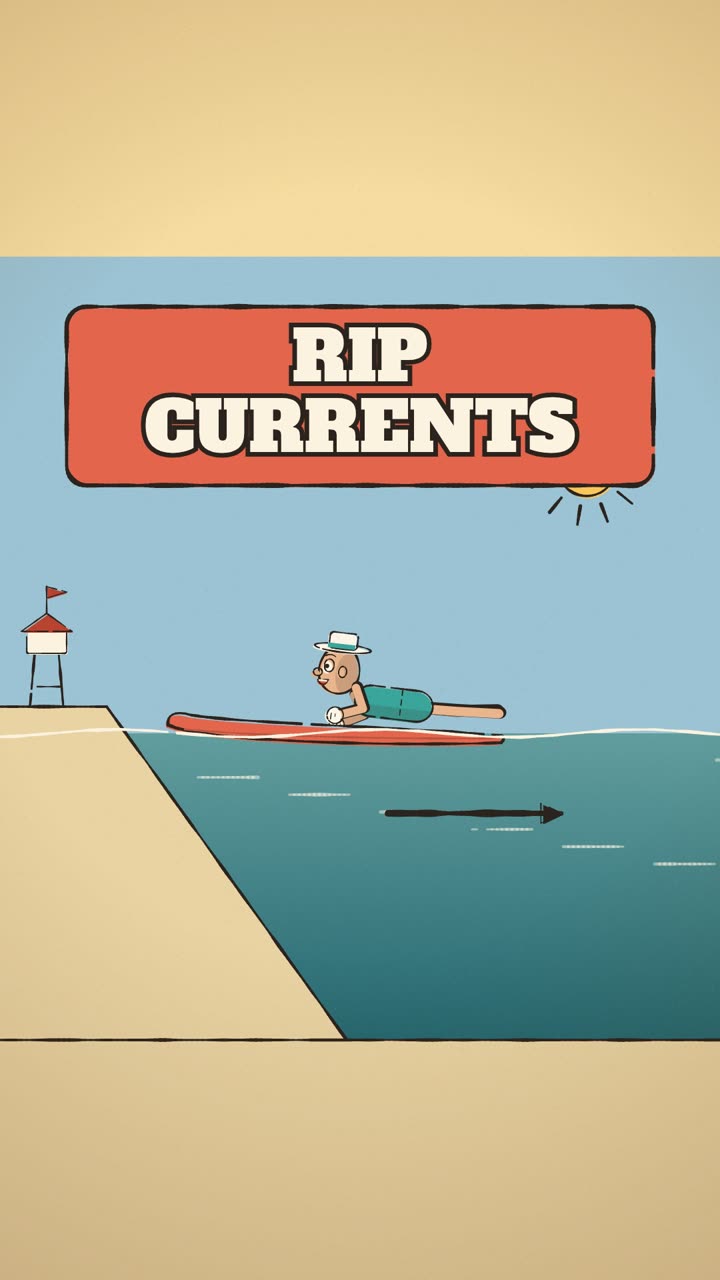
Most beach injuries are not dramatic. A cut foot on a rock, a stingray sting, a loose board to the head, a sunburn that ruins the next day. All five are easy to avoid once you know what to look for. For the biggest one of all, see our rip current guide.
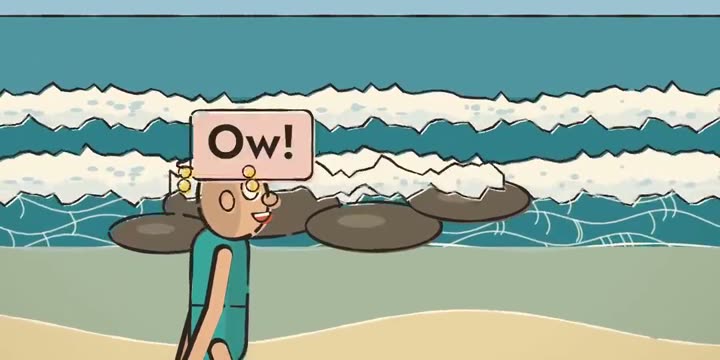
1. Rocks and reef
Many SoCal beaches that look sandy have rocks, reef or cobbles close to shore. At high tide they hide under the water. At low tide they sit at or just under the surface, where your feet, fins and head can find them.
- Ask a local first. A lifeguard or a surfer coming out of the water can tell you where the rocks are.
- Check the tide. Rocky spots get much shallower at low tide. See our tides guide.
- Walk in carefully. On cobblestone bottoms, booties help a lot.
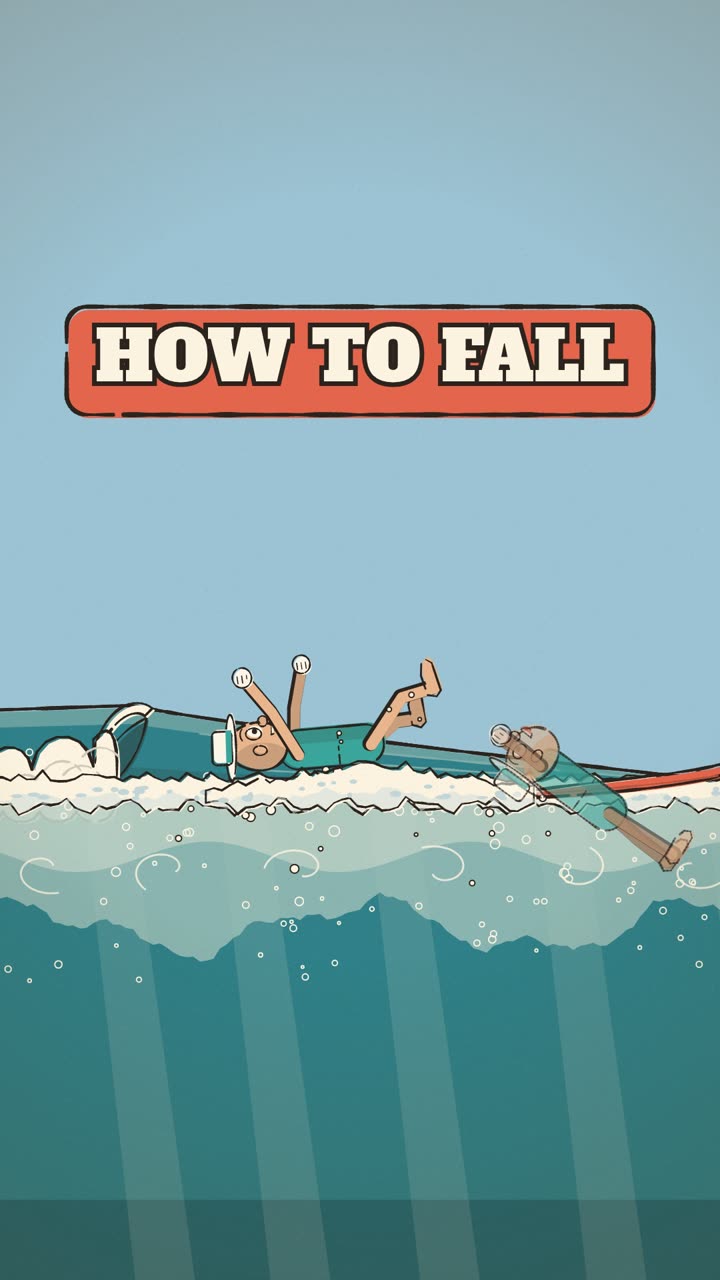
- Fall flat. Over shallow water, land flat on the surface, never headfirst.
2. The stingray shuffle
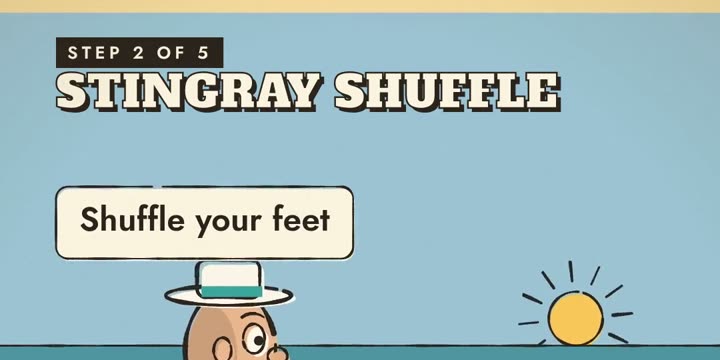
Round stingrays rest half-buried in warm, sandy shallows. If you step on one, its tail can sting your foot or ankle. It hurts a lot, but it is rarely serious.
The fix is easy: shuffle your feet as you walk in and out, sliding them along the sand instead of stepping down. The vibration warns the rays and they scoot away.
Rays are most common in the warm water of summer and early fall. In winter, the colder water usually means fewer of them in the shallows, but they are there all year, so keep shuffling.
If you do get stung, get out of the water and tell a lifeguard. Rinse the wound with clean water, then soak the area in water as hot as you can stand without burning yourself, for 30 to 90 minutes. Heat eases the pain. Get it checked if the pain is bad, if there is a piece of barb left in the wound, or if it looks infected.
3. Loose boards
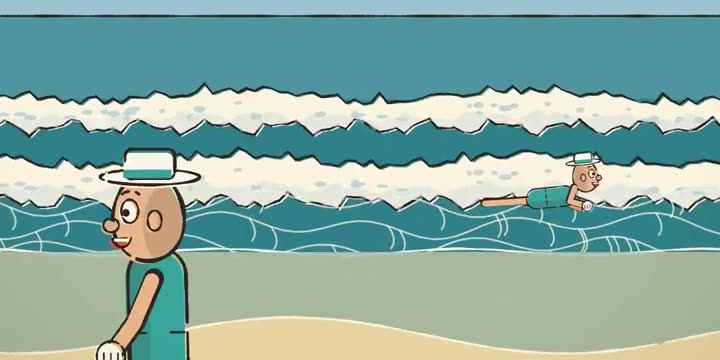
The whitewater zone is full of people falling off. A loose board, pushed by a wave and pulled by a leash, can fly a long way and hit hard, especially a heavy foam or longboard.
- Give beginners room. Keep several board lengths away from anyone who might fall.
- Fall away from your board. Jump to the side or behind it, not in front.
- Cover your head with your arms when you come up, until you know where your board is.
- Hold on to your own board when a wave comes at you, if you can do it safely.
4. Know the flags

Lifeguards use flags to tell you where to go and what is happening. Flag systems differ from beach to beach, so read the signs at the tower and ask. Common ones:
- Swim zone flags. At many beaches, red-and-yellow flags mark a guarded swim area. Swimmers stay between them and surfers stay outside them.
- Surf zone flags. Black-and-white checkered flags often mark the boundary between the swim area and the surfing area.
- The black-ball flag. A yellow flag with a black circle means no hard surfboards in that area. At many Orange County beaches it flies mainly in summer, during set daytime hours, but rules vary by city, so check the sign.
- Red flags. These warn of dangerous conditions, such as big surf or strong currents. Ask the lifeguard what it means that day before you go out.
When in doubt, walk up to the tower and ask the lifeguard. Ask where the rips are, too.
5. Sun and heat
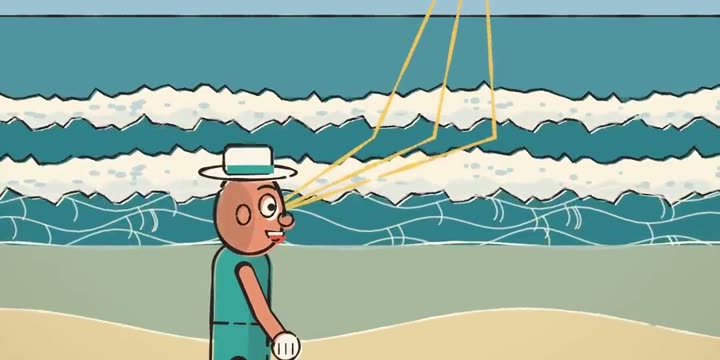
The sun hits you twice in the water: once from above and again off the surface. You can burn on a cool, cloudy winter day.
- Wear reef-safe sunscreen on your face, neck, ears and the backs of your hands. Reapply after a long session.
- Drink water before and after. Wetsuits and paddling make you sweat more than you notice.
- A surf hat or rash guard helps on long, sunny days.
Winter extras
Winter brings its own hazards. After rain, storm drains and creeks wash dirty runoff into the surf. County health officials advise staying out of the ocean for 72 hours after a significant rain, and longer near creek mouths and storm drains. Days are short: after the clocks fall back, sunset is around 5 p.m. or a little earlier, and many towers are empty or close before dark. The water is about 57 to 62 °F, so wear a 4/3 wetsuit and get out before you are shivering.
Common mistakes and fixes
- Mistake: walking in with big steps. Fix: shuffle.
- Mistake: paddling out at a new spot without asking anyone. Fix: ask a lifeguard or local about rocks, rips and flags.
- Mistake: learning right next to other beginners. Fix: spread out and leave a few board lengths.
- Mistake: skipping sunscreen because it is cloudy or cold. Fix: wear it all year.
Safety note
Surf near a staffed lifeguard tower, check its hours and go with a buddy. If someone gets hurt, get them out of the water, call a lifeguard or 911, and keep them warm.
FAQ
How do you avoid stepping on a stingray?
Shuffle your feet along the sand as you walk in and out of the water. The vibration warns stingrays, and they swim away before you reach them.
What should you do if a stingray stings you?
Get out of the water and tell a lifeguard. Soak the area in water as hot as you can stand without scalding for 30 to 90 minutes. Get medical help if the pain is severe, part of the barb is stuck in the wound, or it looks infected.
What do the flags mean at a California beach?
It depends on the beach. Common ones are flags marking the swim area, checkered flags marking the surf zone, the black-ball flag meaning no hard surfboards, and red flags warning of hazards. Always read the signs and ask the lifeguard.
Do you need sunscreen to surf in winter?
Yes. Sunlight reflects off the water, so you can burn even on cool or cloudy days. Put reef-safe sunscreen on your face, neck and ears before every session.