 Surfology
Home › Learn › Surf technique
How to wipe out
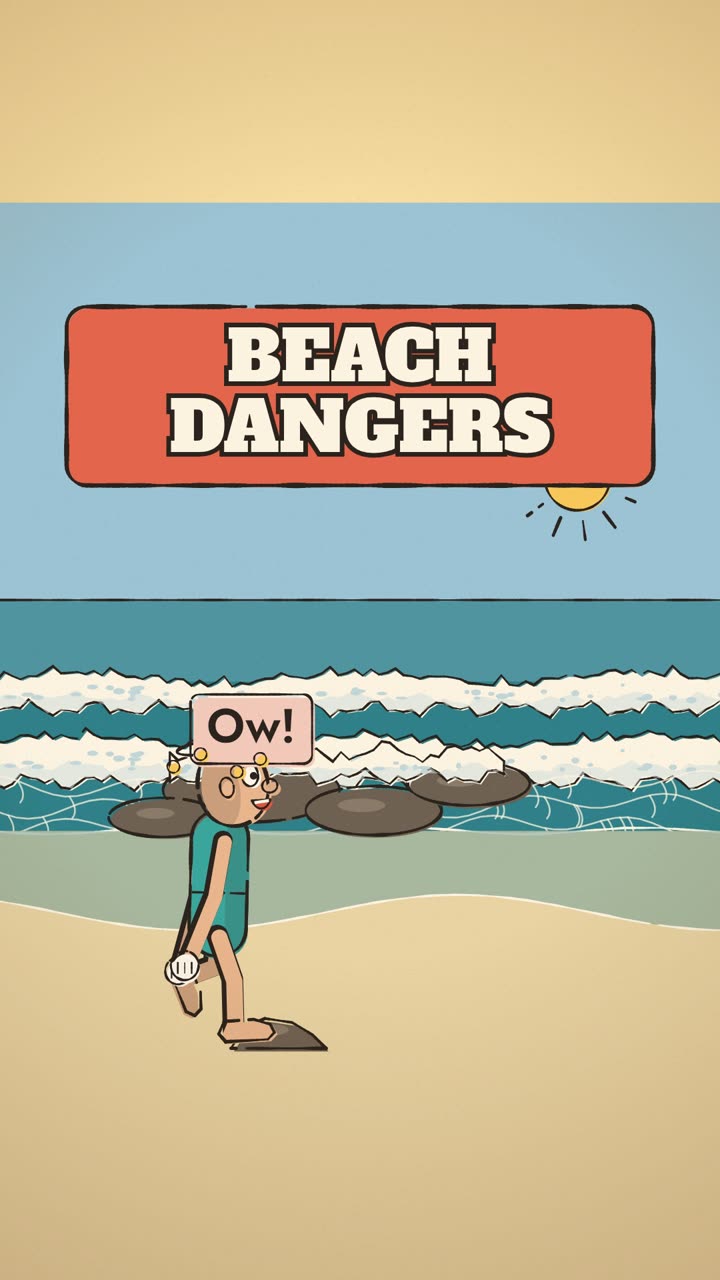
Everyone falls. Beginners fall on most waves, and good surfers still fall every session. Falling well is a skill, and it keeps you away from the three things that cause most injuries: your own board, the bottom and other surfers.
How to wipe out safely, step by step
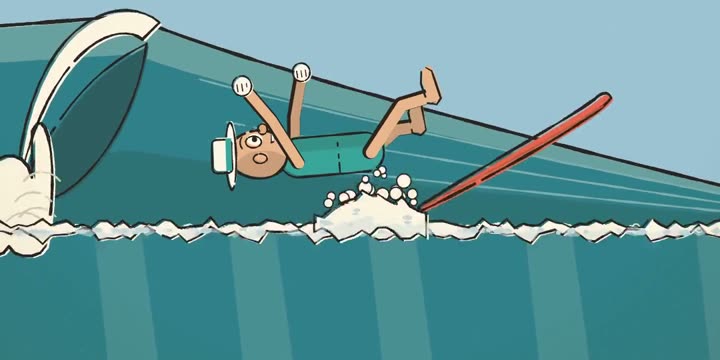
- Fall back or flat. When you feel yourself going, fall backward or flat on the water like a starfish, behind or to the side of your board. A flat body lands softly and stays near the surface. Never go head-first, and try not to fall in front of the board, where the wave can push it into you.
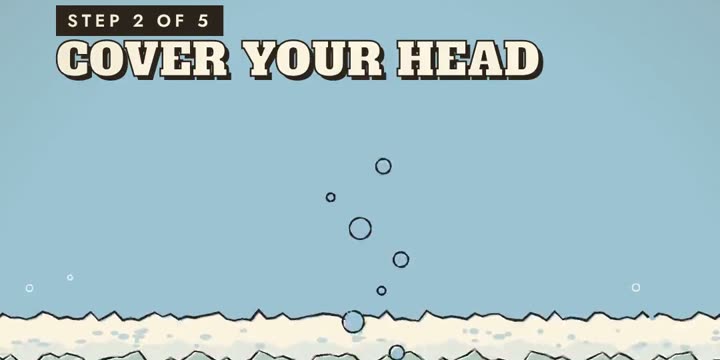
- Cover your head. Take a breath as you fall. As soon as you're in the water, wrap your arms around your head, forearms in front of your face. The board lands near you, and its nose, tail and fins are hard. Keep your arms there while you tumble.
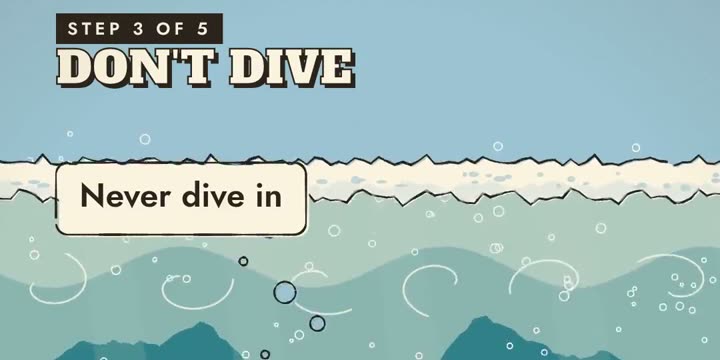
- Don't dive. Never dive in, even when it looks deep. Sandbars hide in shallow water, and the bottom can be much closer than it looks. Reef and rocks are even less forgiving. A flat fall keeps your head and neck away from the bottom.
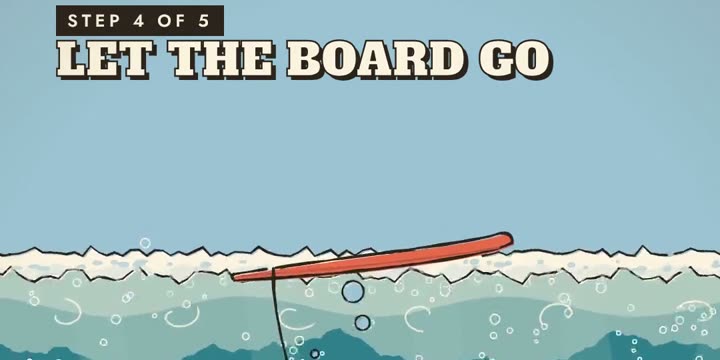
- Let the board go. When you wipe out, don't fight to hold your board in the tumble. Let it go and let the wave take it. The leash on your back ankle keeps it close.
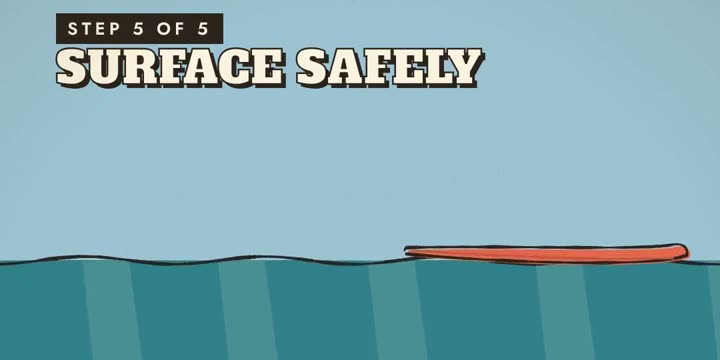
- Surface safely. Stay relaxed until the turbulence eases, then come up slowly with your arms over your head. The board may be right above you. If it's shallow, you can simply stand up, still with your arms over your head. Once your head is out, look around: find your board, check for the next wave and check for other surfers.
Beginner tip: Most hold-downs in beginner waves last only a few seconds. Relax, hold your breath and wait. Fighting the water uses up air faster.
Why falling well matters
The biggest danger in a wipeout is usually not the water. It is the board. The leash keeps it close, which is good, but it also means the board can spring back toward you after the wave lets it go. That is why your arms stay over your head until you are up and can see.
The second danger is the bottom. In SoCal beach breaks the bottom is usually sand, but sandbars can sit in surprisingly shallow water, especially at low tide; see tides.
Common mistakes and fixes
- Diving off the board. Fall flat or back instead, every time.
- Falling in front of the board. Fall behind it or to the side, so the wave pushes the board away from you, not into you.
- Grabbing the board in the tumble. Let it go. Holding on twists your arms and pulls you around.
- Popping straight up without looking. Come up with your arms over your head, then look for the board.
- Panicking underwater. Relax and wait a moment. The wave will let you go.
- Throwing the board on a paddle-out. Letting go in a wipeout is fine, but don't ditch your board when paddling out with people behind you. That is a different situation; see paddling out.
Land drill
On a bed or a thick mattress, crouch low in your surf stance. On a friend's call, tip back or to the side onto the mattress into a flat starfish, chin tucked, then wrap your arms around your head and hold for three seconds. Don't practice falls from standing height onto the ground. Then practice standing up slowly with your hands over your head before you look around. Repeat five times so the moves are automatic.
In a pool, practice holding your breath calmly for a few seconds at a time and stop at the first sign of discomfort. Never do breath-hold practice alone, always with someone watching from the edge, and never breathe fast and deep beforehand, since that can make you black out without warning.
Safety note
Wear a leash that fits your board, attached to your back ankle, and check the cord for nicks before each session. Learn in waist-deep whitewater, away from piers, jetties and rocks; see hazards.
In winter, the water is around 57 to 62 °F and swells are often bigger, so wear a 4/3 mm wetsuit and pick small days. A hood can help in cold water. If you hit your head, feel dizzy or are bleeding, go in, tell a lifeguard and get checked. Surf with a friend so someone sees you fall.
FAQ
How do you fall safely when surfing?
Fall backward or flat, away from your board, never head-first. Cover your head with your arms while you're under, and come up slowly with your arms still over your head. Then find your board and look for the next wave.
Should I hold onto my board when I wipe out?
No. Let it go during the wipeout and let the leash keep it close. Holding on can twist your arms or pull the board into you. Paddling out is different: there, hold on, because a loose board can hit someone behind you.
Why shouldn't you dive off a surfboard?
Because the water can be much shallower than it looks. Sandbars, reef and rocks can be close to the surface, and hitting the bottom head-first can cause serious head and neck injuries.
How long are you held underwater in a wipeout?
In small beginner waves, usually only a few seconds. Relaxing helps your air last longer. If waves are holding you down for long, they are too big for you that day.