 Surfology
Home › Learn › Surf technique
How to sit on your surfboard in the lineup
Most of a surf session is spent sitting on your board, not riding waves. Sitting well lets you rest, watch the sets come in and turn for a wave in a second or two. Sitting badly means rolling off every few minutes and missing the waves you waited for. The fix is mostly about where you sit and what your legs are doing.
How to sit on your board, step by step
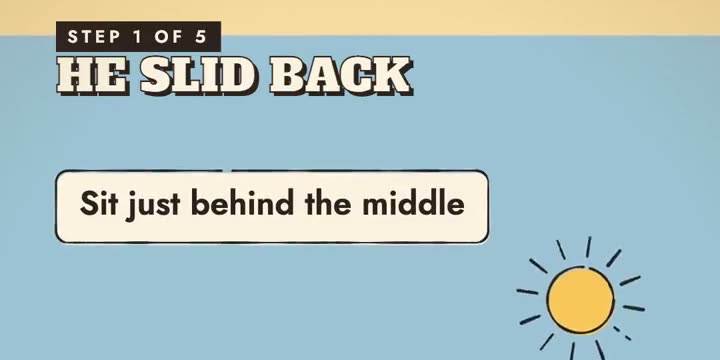
- Slide back, then sit up. Lying on the board, push yourself back a little, then sit up with one leg on each side, hanging in the water. Your seat should be just behind the middle of the board. Too far forward and the nose sinks. Too far back and the board stands up and tips you off the tail.
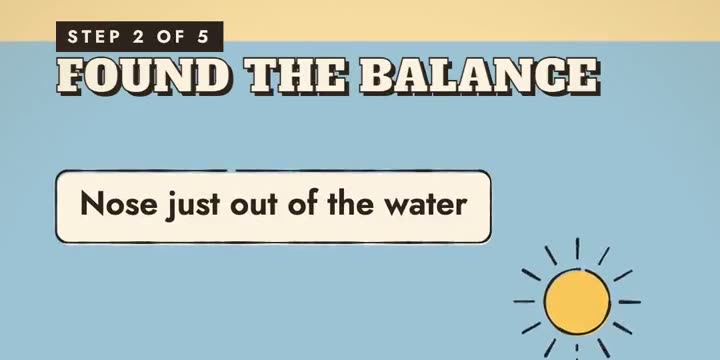
- Find the balance point. Sit tall, with your hands resting on the board in front of you or on your thighs. Shift forward or back an inch at a time until the nose sits just out of the water. That small tilt is the sweet spot: stable, and ready to lie down and paddle.
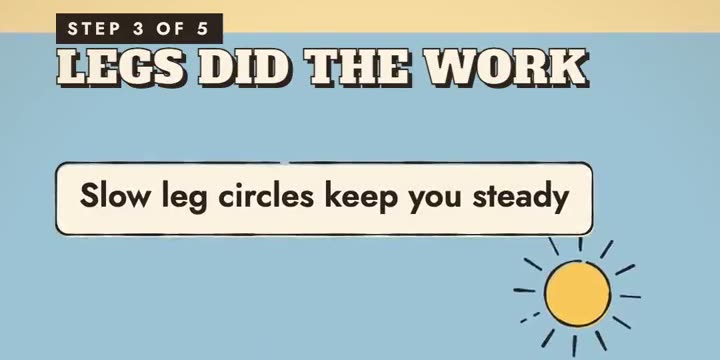
- Let your legs do the work. Keep your legs in the water and move them in slow circles, like an eggbeater. They work like the keel of a boat. When the board rocks to one side, a firmer stroke with the leg on that side brings it back. Keep your upper body relaxed and your eyes up. Looking down at the board makes you wobble more.
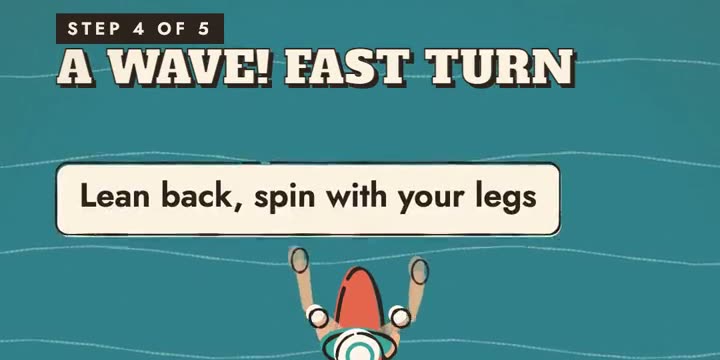
- Turn around fast. When a wave comes, you need to point the board at the beach quickly. Lean back so the nose lifts out of the water. With the nose up and the tail sunk, the board pivots easily around the tail. Now spin it with your legs: circle one leg forward and the other back, and use a hand in the water if you need extra push. Once you face the beach, slide forward, lie down and paddle.
- Face the sea. While you wait, sit facing out to sea. You'll see sets on the horizon early, you'll have time to paddle over or into position, and nothing will hit you from behind. Glance toward the beach now and then to check your spot, but keep your eyes mostly on the waves.
Beginner tip: On a soft-top or longboard, sitting is easier because the board floats more. If you're on a smaller board and keep falling off, sit a little lower in the water and move your legs more. Practice in calm water between sets before you need it in a busy lineup.
Common mistakes and fixes
- Sitting too far forward. The nose dives and you slide off the front. Scoot back until the nose lifts just clear of the water.
- Sitting too far back. The board points at the sky and dumps you off the tail. Move forward a little.
- Stiff, still legs. Frozen legs leave you nothing to balance with. Keep them moving in slow circles.
- Gripping the rails hard. Tension makes you wobble. Rest your hands lightly and relax your shoulders.
- Turning flat. Spinning without lifting the nose is slow and hard work. Lean back first, then spin.
- Sitting with your back to the waves. A set can catch you by surprise. Face the sea while you wait.
Land drill
You can learn the balance on land. Sit on a large exercise ball, or straddle a firm cushion on the floor, with your feet off the ground. Sit tall and keep your balance for 30 seconds by making small circles with your legs and keeping your eyes on a point ahead. Then practice the turn: lean back, lift your feet and swivel a quarter turn each way. Do it for a few minutes on two or three days before your next surf. In the water, start in calm, waist-deep water with no waves, where you can stand up if you tip off.
Safety note
Always wear a leash. When you sit, keep your board between you and any incoming whitewater, and never sit right in the path of someone paddling for or riding a wave. If a set is coming and you're in the impact zone, lie down and paddle out over it or toward the channel rather than sitting and waiting. Our paddle-out guide covers getting through the whitewater, and right of way covers who gets which wave.
In SoCal winter, from November to March, the water is about 57 to 62 °F and you'll spend a lot of time sitting still, so wear a 4/3 mm wetsuit. Gentle leg circles also help keep you warm.
FAQ
Where should you sit on a surfboard?
Just behind the middle of the board, with one leg on each side. Adjust until the nose sits just out of the water. Too far forward and the nose sinks; too far back and you slide off the tail.
Why do I keep falling off my board when I sit?
Usually you're sitting in the wrong spot, your legs are still, or you're tense and looking down. Find the balance point, keep your legs moving in slow circles, relax and look at the horizon.
How do you turn a surfboard around quickly?
Lean back so the nose lifts out of the water, then spin the board with your legs, one circling forward and one back. With the tail sunk and the nose up, it pivots fast. Then lie down and paddle.
Which way should you face when sitting on a surfboard?
Out to sea. Facing the waves lets you see sets early and keeps anything from surprising you. Turn toward the beach only when you're about to paddle for a wave.