 Surfology
Home › Learn › Spot guides › Newport to San Onofre
Where to learn to surf from Newport to San Onofre
From Newport Beach down to San Onofre there are four places to learn and two to watch from the shore. At every one, the place to start is the same: the inside whitewater, in knee- to waist-deep foam, away from piers, jetties, rocks and expert peaks. Here they are from north to south, with how to time your day.

Blackies, Newport Beach
Blackies is the beach just north of Newport Pier: one sandbar peak between the pier and the 28th Street jetty, with soft, rolling lefts. It has been Newport's longboard home since the 1960s. It takes west swells, so it often has waves in winter, and mornings are often glassy before the wind comes up. Start in the foam, well clear of the pier and the jetty. More in our Blackies guide.

Laguna: watch, don't learn
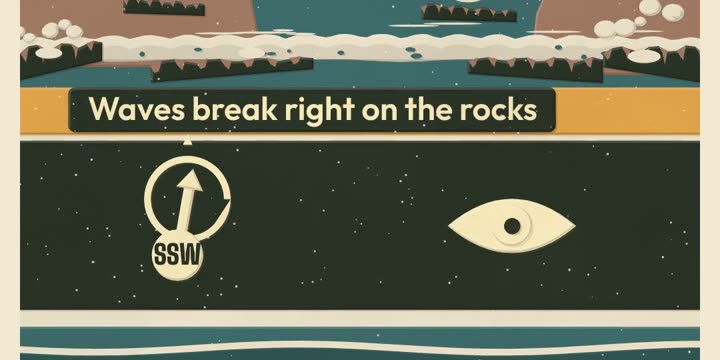
Laguna Beach is beautiful, but many of its waves break right on rocks and reef. Those spots suit experienced surfers who know them. If you are learning, enjoy it from the sand and do your learning on the soft sandy waves north and south of it.
Doheny, Dana Point
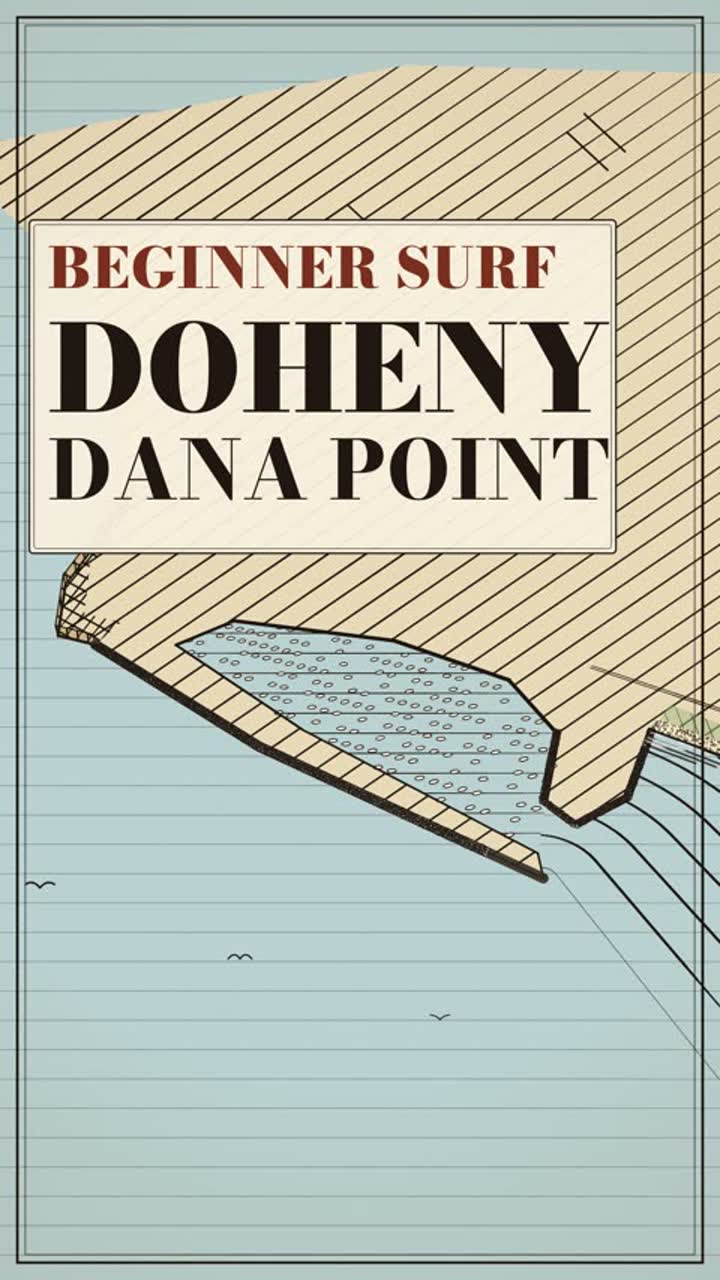
Doheny sits inside the Dana Point Harbor wall, which keeps the waves smaller and softer. It needs a south swell, so it works best in summer and is often small in winter. The waves are smallest and softest at the west end, near the harbor wall, and get a bit bigger as you move east. Start in the inside foam on that soft west side, but far enough east of the jetty rocks that a drift can't carry you onto them. Go at mid to high tide. More in our Doheny guide.

T-Street, San Clemente
T-Street is a reef-and-sandbar break with lefts and rights, reached by the stairs over the railroad tracks. It is a step up from Blackies and Doheny: it gets wedgy on mid-size swells and punchy in winter. Check your skills first, stay in the inside foam, and pick small days. In summer, surfing there is limited to mornings and evenings; ask the lifeguards about winter hours.
Trestles: watch first
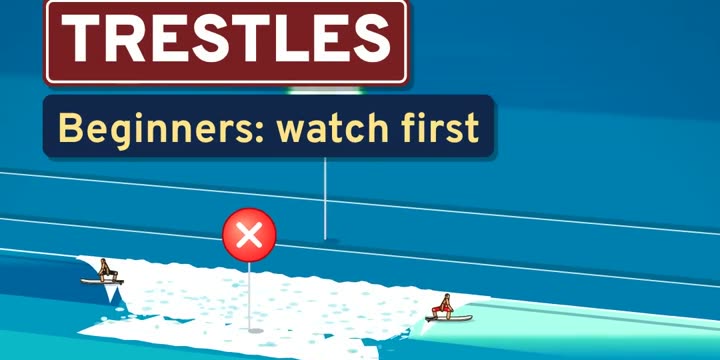
Over the county line in San Diego County, Trestles has five breaks, from Cottons to Church. Lowers is an A-frame peeling both ways over creek cobbles, and it is the 2028 Olympic surfing wave. It is an expert spot. Watch from the cobbles, and come back when you can turn and read a lineup.
Dog Patch, San Onofre: the easiest wave
The easiest wave on this stretch is Dog Patch, at San Onofre's Surf Beach, just south of Old Man's. The reef sits far out, so the waves break out there and roll in as long, soft foam on the inside. You get long, slow rides in knee- to waist-deep water. Wear booties for the cobbles. See our Dog Patch guide.

Getting there takes extra time. The lower lots at San Onofre closed after swell damage on Oct 7, 2026. As of late October 2026, you had to bike or walk in, or rideshare to the gate, and there was no water and no restrooms. Check parks.ca.gov before you go.
Beginner tip: Pick one beach and go back to it three or four times before you try the next. Learning one beach, its tides and its crowd teaches you more than chasing a new spot every weekend.
Timing your day
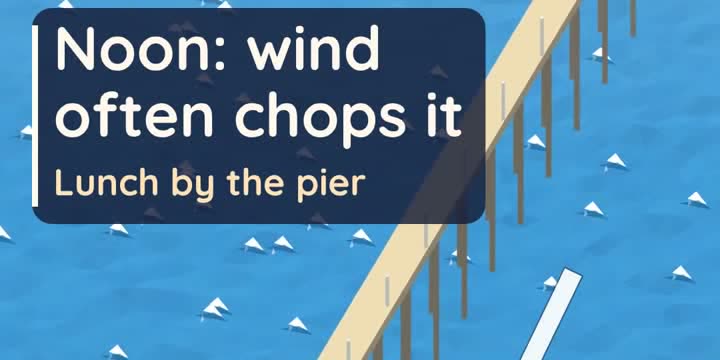
- Wind. Most SoCal mornings start calm or with a light offshore breeze, which keeps the faces smooth. As the land heats up, the sea breeze blows onshore, often by late morning. Surf early, and rest and eat when the chop comes up. Many evenings calm down again.
- Swell direction. Doheny and San Onofre like south swells, which mostly come in summer.
- Tide. Check a tide chart along with the forecast, and note when the tide passes mid tide at your spot.
Sharing waves at San O
San Onofre is known for party waves, one wave shared by several surfers at once. Share only when invited. If someone is already riding, don't drop in unless they call you on, and keep a board length or more of space. See right of way for the basic rules.

Winter along this coast
From November to March the water runs about 57 to 62 °F, so wear a 4/3 mm wetsuit, plus booties for the cobbles at San Onofre and Doheny. A spring suit is for summer. Winter brings bigger northwest and west swells: T-Street turns punchy, and Blackies wakes up as west swells bend at the pier, while Doheny and San Onofre are often small and soft. In November the sun rises after 6 a.m. and sets before 5 p.m., so start at first light and plan to be off the water before dark.
Common mistakes and fixes
- Starting next to a pier, jetty or rocks. Walk down the beach to the inside foam, away from hard objects.
- Going to the most famous wave first. Trestles and Laguna are for watching while you learn.
- Treating T-Street like Dog Patch. It can be punchy, especially in winter. Check your skills and the size first.
- Surfing through the noon wind. Paddling in chop is tiring and you catch fewer waves. Rest, eat, and go back later.
- Skipping booties on cobbles. Doheny and San Onofre have rocky bottoms.
Safety note
Each stop has its own conditions. Look at the water from the sand for a few minutes before you paddle out: where the sets break, where the rips are and how crowded it is. Stay in water you can stand in, wear your leash and keep your board away from other people. Ask the lifeguard about currents. If you get pulled out, stay on your board and paddle parallel to the beach until the pull stops, then come in. If you can't, wave for a lifeguard.
FAQ
What is the easiest surf spot between Newport and San Onofre?
Dog Patch at San Onofre. Waves break far out on the reef and roll in as long, soft foam, so you get long rides in knee- to waist-deep water.
Is Laguna Beach good for beginner surfers?
Mostly not for learning. Many of Laguna's waves break right on rocks and reef, so they suit experienced surfers who know the spot. Beginners do better at Blackies, Doheny or San Onofre's inside foam.
Can beginners surf Trestles?
Beginners should watch Trestles from the cobbles first. Lowers is the 2028 Olympic surfing wave and an expert spot.
What time of day is best to surf in Southern California?
Early morning is often best, because winds are usually light and the water is glassy. Onshore wind often picks up around midday, and some evenings clean up again.