 Surfology
Home › Learn › Spot guides › Newport Beach
How to surf Blackies in Newport Beach
Blackies is the stretch of sand just north of Newport Pier, and it is where a lot of Newport surfers catch their first waves. It runs from the pier on its south side to the low boulder jetty at 28th Street on its north side. A sandbar in the middle makes the main peak, and every level of surfer shares the beach at once.
Start at the pier. Lifeguard HQ sits there, with the dory fleet on the sand nearby, so it is the place to ask about rips before you paddle out.
Where it breaks
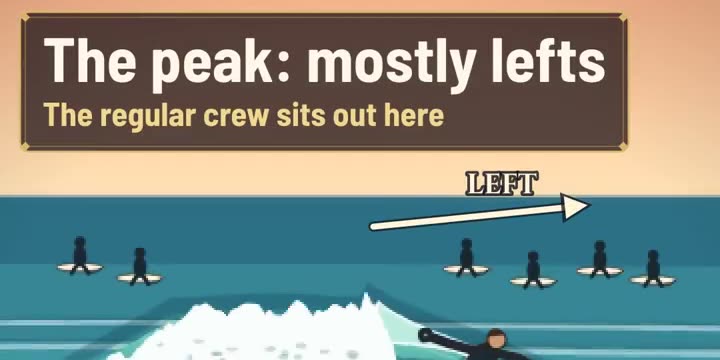
The main peak is mid-beach, between the pier and the 28th Street jetty, and it breaks mostly lefts. On small days it is a soft, rolling longboard wave. The regular crew sits out there, and when it is good it gets crowded fast.
Closer to the sand, the waves turn to whitewater. That inside foam is where you learn.
Who it suits
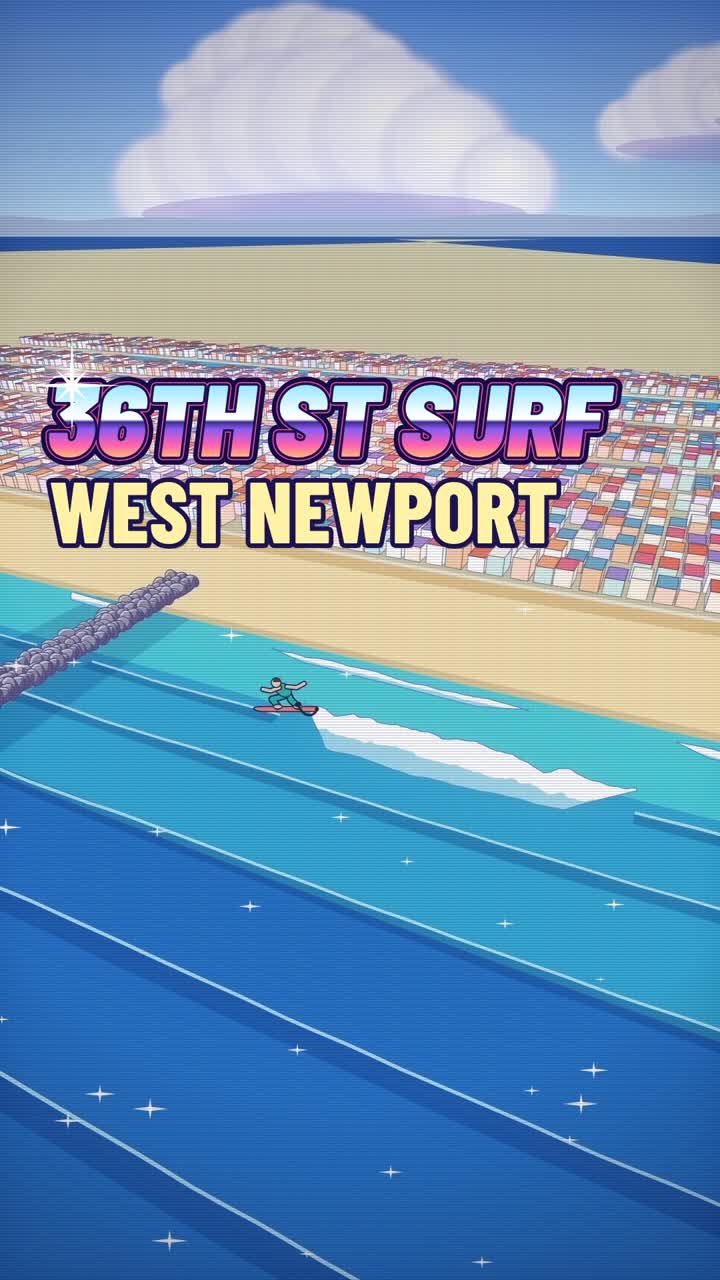
Beginners: the inside foam, well north of the pier. Longboarders and regulars: the peak. If you have outgrown the foam and want the next step, 36th Street in West Newport is the usual second beach.
Your first session
- Walk in on the sand, well north of the pier.
- Shuffle your feet as you go. Stingrays rest in the shallows. There are fewer in cold winter water, but shuffle all year.
- Stop in the inside foam, about waist-deep.
- Turn your board nose to the beach and ride the whitewater straight in.
- Walk back out and do it again. Don't paddle out to the peak.
Beginner tip: Pick a landmark on the sand when you start. If it slides sideways while you surf, the current is moving you. Walk back to your spot, and never let it carry you toward the pier.
Swell and season: why winter is different
Newport's coast is not a straight line. It bends about 25 degrees at Newport Pier. South of the pier, the peninsula faces more to the south. North of it, Blackies faces more to the west.
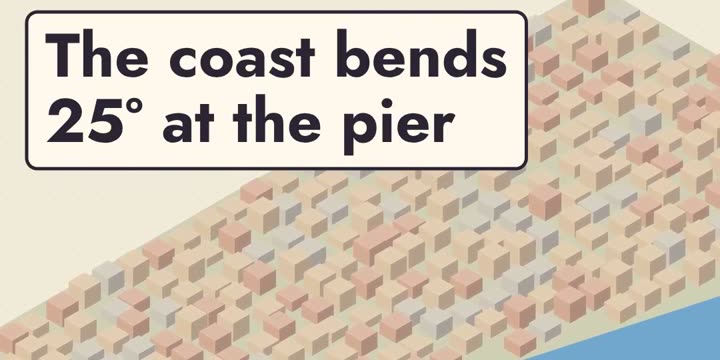
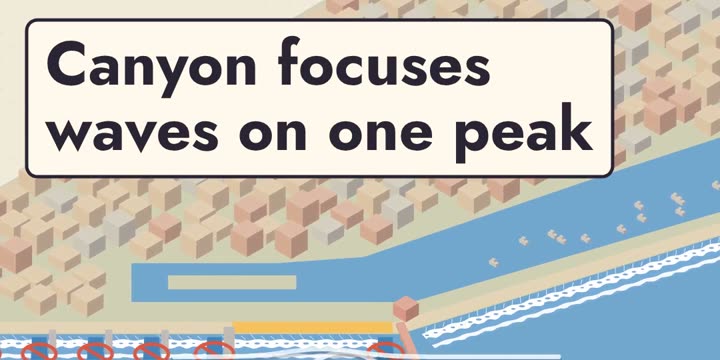
That turn decides which swells each beach sees. In winter, from about October to March, North Pacific storms send west swells down the coast, and they reach Blackies more directly than they reach the peninsula. On top of that, an offshore canyon cuts into the sea floor off Newport. Swell travels faster over the deep canyon than over the shallow bottom beside it, so the crests bend away from the canyon and their energy piles up on its flank. That focuses the swell onto one peak mid-beach.
In summer it flips. South swells favor the south-facing peninsula, so Blackies is often smaller, and beginners take it in the mornings. When you check the forecast, look at swell direction as well as size: a west swell lights up Blackies more than a south swell of the same height.
So if you learned here in July, the same beach in January can be a lot more wave:
- Bigger sets than a summer visit suggests.
- Stronger rips beside the pier, the 28th Street jetty and the rock groins further north.
- A harder shorebreak on big days, with sets breaking right on the sand.
- More drift along the beach, so check your landmark often.
Beginner tip: In winter, pick a small day at low to mid tide, and skip the session if the sets are breaking hard on the sand. On bigger west swells, watch from the beach.
From November to March the water is about 57 to 62 °F, so wear a 4/3 mm wetsuit, booties optional. Days are short, so plan to be out of the water before dark.
Hazards
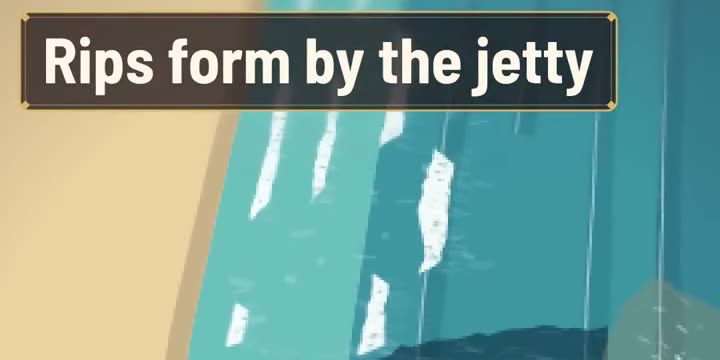
The rip by the 28th Street jetty
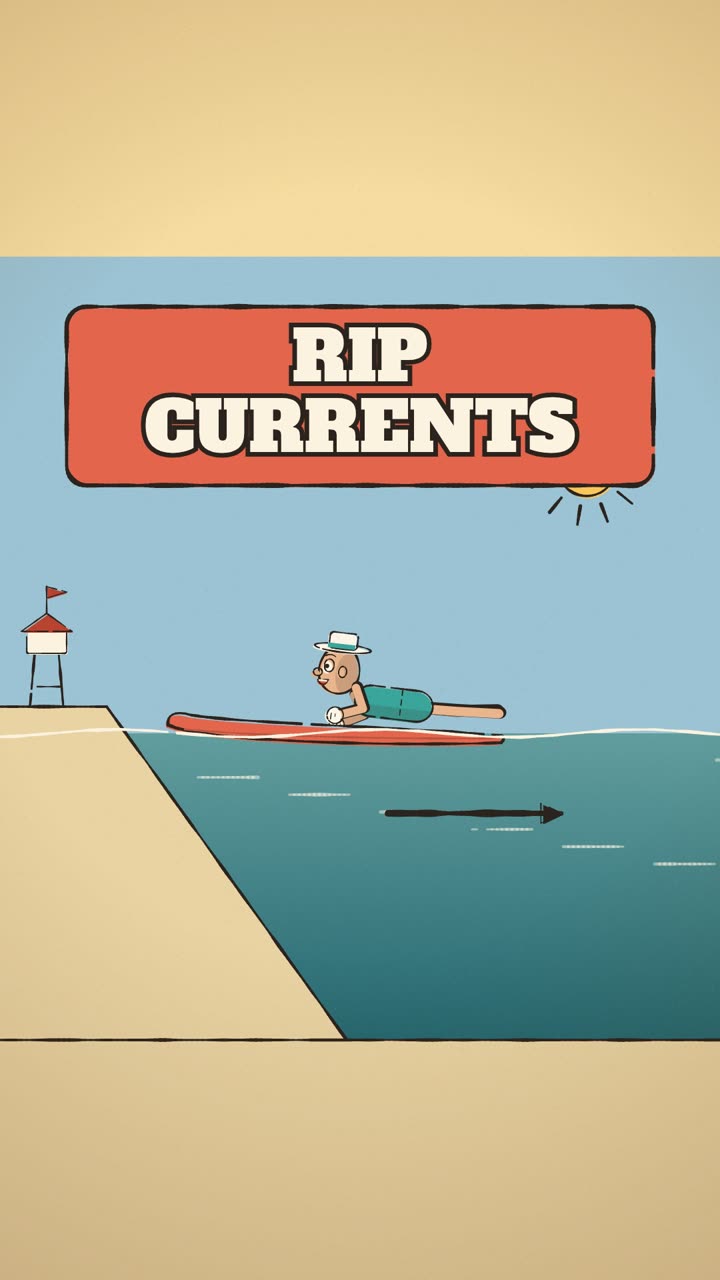
Look for dark, flat water by the jetty. That calm-looking lane is a rip, carrying water back out to sea. Waves don't break much in it, which is why it looks inviting. Stay out of it. Rips also form beside the pier and the groins further north.
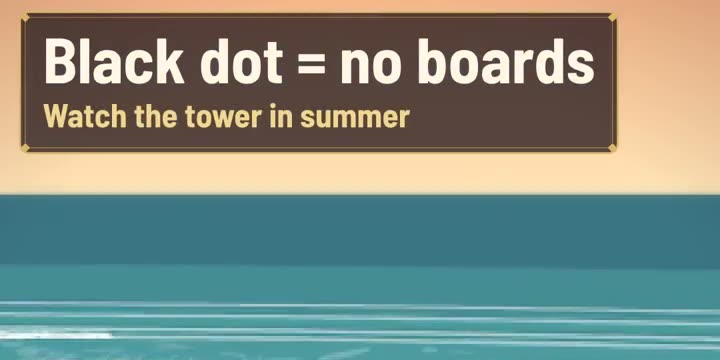
The summer flag
In summer, lifeguards fly a yellow flag with a black dot, often called the black ball. It means no surfboards in that area. When that flag is up, boards stay out of the water. Ask the lifeguards for the hours, since they can change.
Sharing a crowded lineup
The surfer closest to where the wave is breaking has the wave. Everyone else pulls back. Taking off in front of someone already riding is called dropping in, and it is how boards and heads collide. If someone waves you on, go. If not, wait for the next one. On a busy day, sit a little wider than usual and look both ways before you paddle. Our right of way guide has the full rules.
In the shallows, hold your board flat at your side, nose to the waves, so the whitewater can't rip it out of your hands and fling it at someone.
The Halloween costume surf
Every year, on the last Saturday morning before Halloween, Blackies fills with surfers in costume. Blackie's, the bar the beach is named after, bills it that way. More than 100 surfers paddle out just north of the pier while several hundred people watch from the sand.
If you join, pick a costume you can surf in:
- Tight, not baggy. Loose fabric fills with water and drags you down.
- Nothing over your eyes. No masks, no hoods that slip.
- Nothing inflatable. Blow-up suits catch the wave and snag.
- Leash on. A loose board in a crowd of 100 is a hazard for everyone.
The water is cooling by late October, so wear the costume over your wetsuit.
Beginner tip: On costume day, stay inside in the knee- to waist-high whitewater near the sand. You still get to join in, and you are out of the way of surfers riding in from the peak.
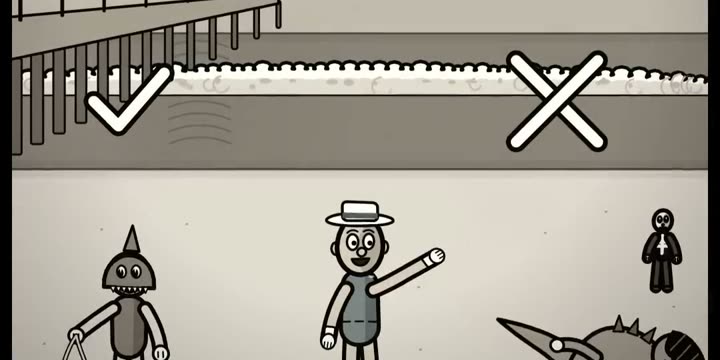
Common mistakes and fixes
- Paddling straight out to the peak. It belongs to the regulars and gets crowded. Stay in the inside foam.
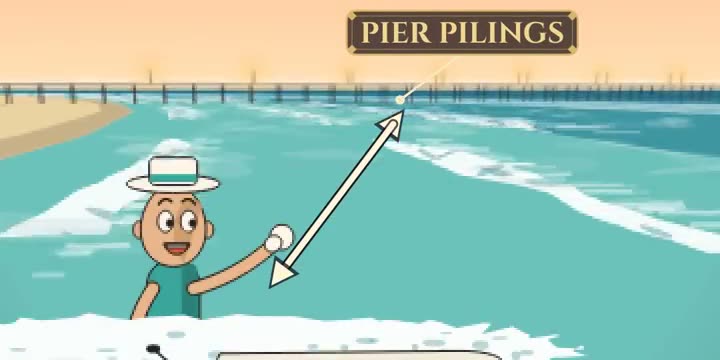
- Setting up next to the pier. Current drifts you toward the pilings. Start far north of it.
- Paddling out in the calm water by the jetty. That is the rip. Walk in where the waves are breaking evenly.
- Judging winter by a summer visit. West swells make it bigger. Check direction and size.
- Ignoring the tower in summer. A yellow flag with a black dot means no boards.
How it got its name
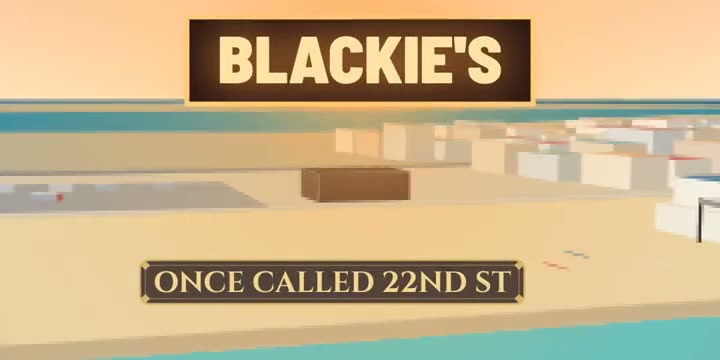
The pier began as McFadden Wharf in 1888. Surfers used to call this break 22nd Street. Then a bar opened at the pier's north base in 1953, and its big BLACKIE'S sign became the landmark surfers saw from the water. The name stuck. The bar is still open, and the sign is still a handy marker from the lineup. By the 1960s, Blackies was home to Newport's longboarders.
Safety note
Wear a leash, keep your board between you and the waves, and ask the lifeguards at the pier about rips before your first session. If a current pulls you out, stay on your board and paddle sideways, parallel to the beach, until the pull stops, then ride the whitewater in. If you can't get out, wave one arm for a lifeguard. Read our rip current guide before your first winter session.
FAQ
Is Blackies good for beginners?
Yes, on small days at low to mid tide, as long as you stay in the inside foam far from the pier. The peak in the middle is for the regulars, so don't paddle out to it.
Why are the waves bigger at Blackies in winter?
The coast bends about 25 degrees at Newport Pier, so Blackies faces more west. Winter west swells reach it more directly, and an offshore canyon bends them so they focus on one peak mid-beach.
Where is the rip at Blackies?
Beside the low boulder jetty at 28th Street: look for dark, flat water where waves don't break. Rips can also form beside the pier and the groins, so ask the lifeguards at Lifeguard HQ.
Why is Blackies called Blackies?
It is named after Blackie's, a bar at the north base of Newport Pier that opened in 1953. Before that, surfers called the break 22nd Street.