 Surfology
Home › Learn › Spot guides › West Newport
How to surf 36th Street in West Newport
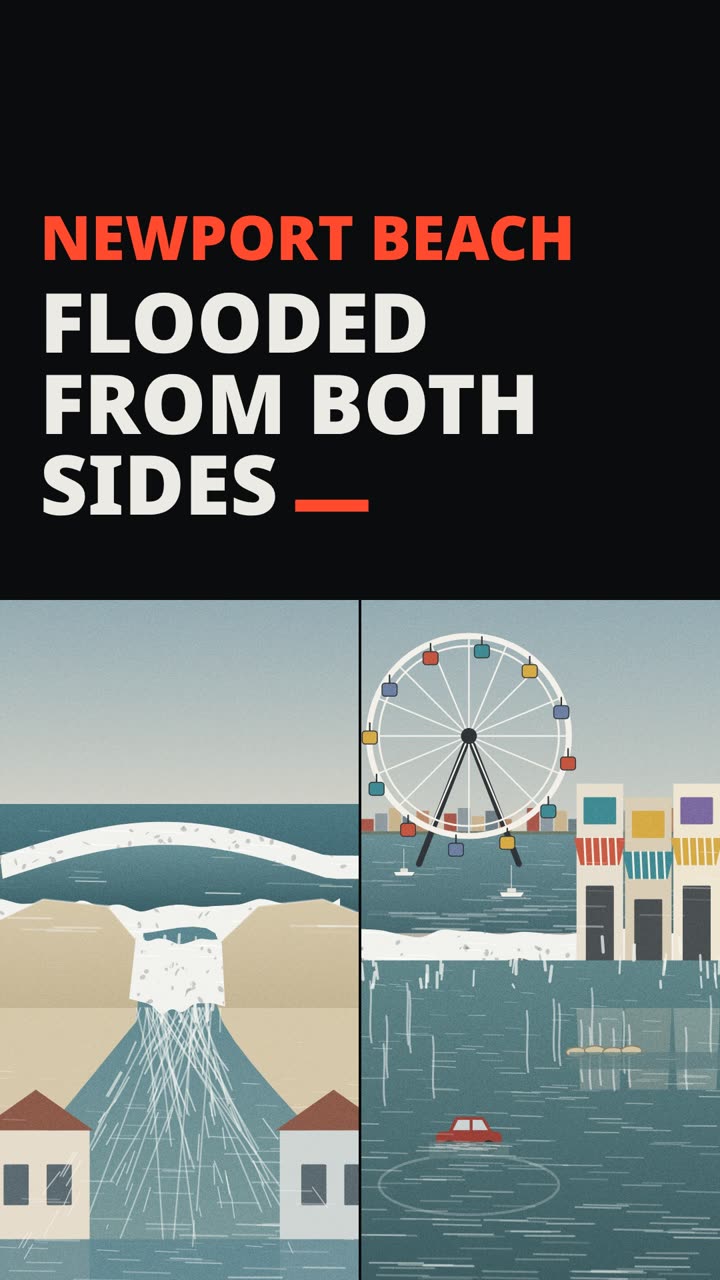
36th Street is Newport's second classroom, the beach to try once Blackies feels easy. It sits in West Newport, where rock groins stick out into the water every few blocks. They were built in the 1960s to hold the sand in place, so the beach ends up in boxes, one groin on each side, and each box has its own little sandbar peak.

Who it suits
It is a good second beach, the step after Blackies. There are fewer people than at Blackies, so you get more waves and more room to make mistakes. It suits surfers who can already ride whitewater straight in and are starting to angle along small, soft faces.
When to go
- Small days only. On bigger days the groin rips pull harder and the shorebreak gets heavy.
- Mid tide. High tide makes the waves dump close to the sand. Mid tide gives the sandbar a better shape.
- Small south swells light up the peak, and a soft left peels from it toward the groin. In winter the bigger west and northwest swells reach West Newport too, so many days will be too big. Wait for the small ones.

Where to paddle out
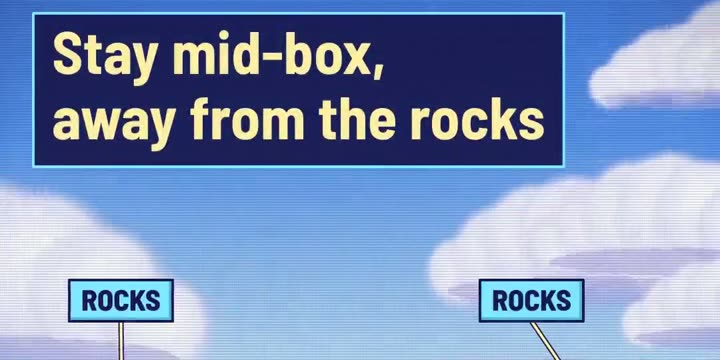
- Pick one box and stand in the middle of it, halfway between the two groins.
- Walk in mid-box, away from the rocks, until the foam is about waist-deep.
- Hold the board flat at your side, nose to the sea, leash on.
- Ride the foam or the soft left toward the groin, then kick out well before you reach the rocks.
- Walk or paddle back to the middle of the box for the next one.
Beginner tip: If you can't yet turn or kick out on purpose, stay in the waist-deep foam in the middle of the box and ride straight in. The left that peels toward the rocks will still be there when you are ready.
Hazards
Rips beside every groin
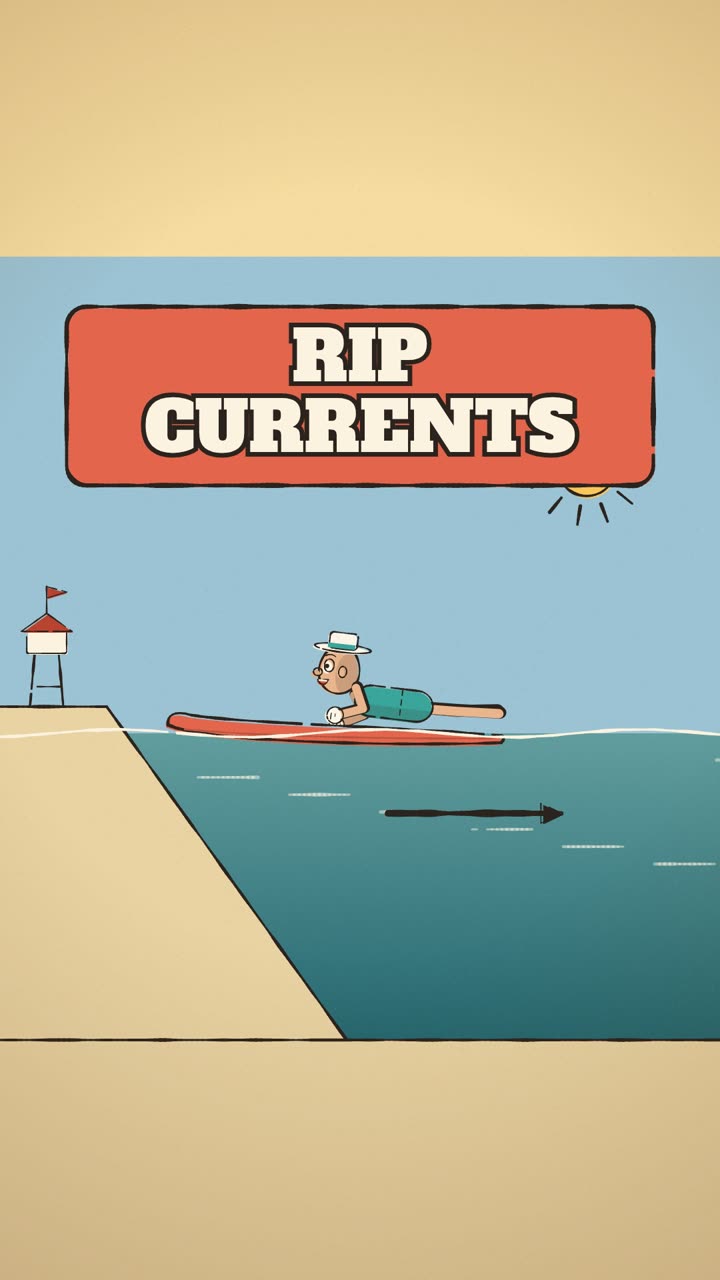
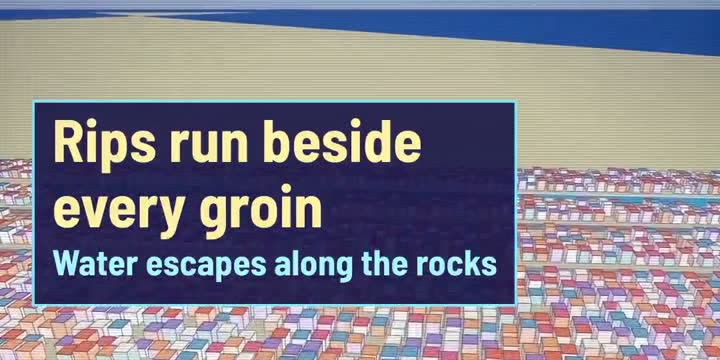
Water that the waves push toward the beach has to go back out somewhere. Along a groin beach, the current runs along the sand, hits the rocks and turns out to sea right beside them. That is why a rip sits next to almost every groin. Look for a darker, flatter channel where the waves don't break, with breaking waves on both sides. Staying mid-box keeps you away from the strongest pull, but rips can also open up in the middle of a box when the sand shifts, so check before you go in.
New sand and a steep shorebreak
As of late October 2026, the city had been adding new sand here. Fresh sand makes a steep beach, and a steep beach makes a shorebreak that dumps hard right at the water's edge. It can knock you over in knee-deep water and slam your board into you. Ask the lifeguards how the sand looks before you go in.

Fast closeouts further north
Around 54th Street, further north, the waves close out fast and an expert pack sits outside. A closeout breaks all at once along its whole length, so there is no open face to ride, just a wall of whitewater. Watch it from the sand for now.

Winter notes
From November to March, SoCal is in winter. The water is about 57 to 62 °F, so a 4/3 mm wetsuit is the call, with booties optional. Winter brings bigger west and northwest swells and shorter days. Bigger surf means stronger rips by the groins and heavier shorebreak, so the small-days-only rule matters even more in winter. Check the forecast, look at the water for ten minutes before you paddle out, and pick a small, clean morning.
Common mistakes and fixes
- Paddling out right next to a groin. It looks like a shortcut because the water is calm there. That calm water is the rip. Start mid-box.
- Riding all the way to the rocks. Lefts peel toward the groin. Kick out early and give yourself room.
- Going at high tide. The waves dump on the sand. Come back at mid tide.
- Chasing the closeouts up north. Fast closeouts are for experts. Stay in your box.
Safety note
Always wear a leash, and keep your board between you and the waves when you walk out. If you feel yourself pulled out to sea, stay on your board, since it floats you, and don't fight the current head-on. Paddle sideways, parallel to the beach, until the pull stops, then come in on the whitewater. If you can't get out, sit up, wave and call for a lifeguard.
FAQ
Is 36th Street in Newport good for beginners?
It is a good second beach after Blackies, on small days at mid tide. It has fewer people, but the rocks and rips mean you need to stay mid-box. Brand-new surfers should start at Blackies first.
Where is the rip current at 36th Street?
Rips run beside the rock groins. The current along the beach turns out to sea when it hits the rocks, so the dark, flat water next to each groin is the one to avoid.
What tide is best for surfing 36th Street?
Mid tide. At high tide the waves tend to dump close to the sand, especially when there is new sand on the beach.
Is 54th Street in Newport good for beginners?
No. Around 54th Street, further north, the waves close out fast and an expert crowd sits outside. It is a place to watch from the sand, not to learn.