 Surfology
Home › Learn › Spot guides › Dana Point
How to surf Doheny State Beach, Dana Point
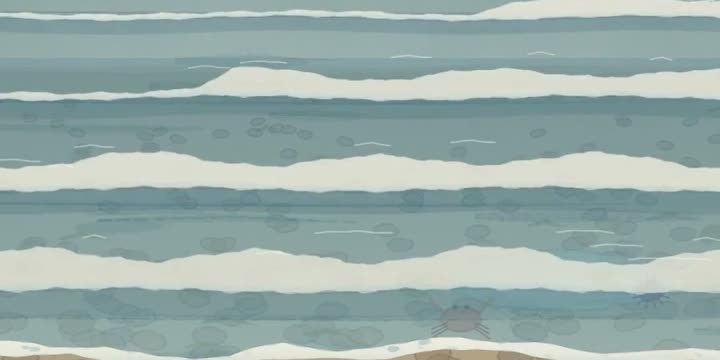
Doheny State Beach in Dana Point is one of the gentlest places in Orange County to catch a first wave. The waves are soft and slow, the kind surf schools and longboarders love. But the tide matters more here than at most beaches: at low tide the beach turns to stone, and at mid to high tide the waves roll in soft.
How the harbor wall made Doheny soft
Doheny became California's first state beach in 1931. Before the harbor, the cove next door had Killer Dana, a famous right that held 12 to 15 ft swells. Work on Dana Point Harbor started in 1966, the wall buried Killer Dana, and the harbor opened in 1971.

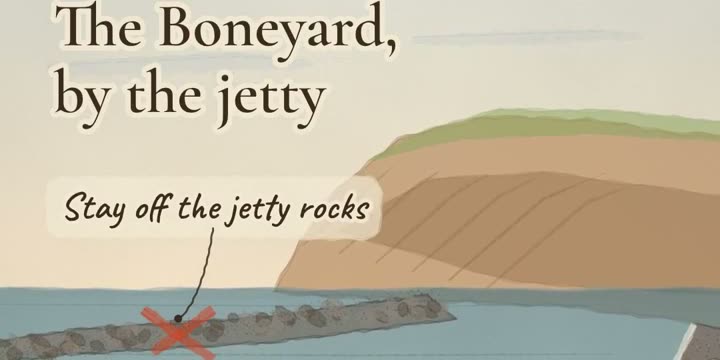
The wall changed the waves. Swell lines bend around the tip of the wall, and that bend takes energy out of them, so by the time they reach the beach they are smaller and softer. The harbor's east jetty marks the west end of the beach, and the Boneyard, the gentle inside break, sits beside it. Waves are smallest close to the wall and get a bit bigger as you move east.

The best tide to surf Doheny
Low tide: cobbles. On a minus tide (a really low tide, below zero on the chart) about 100 yards of cobbles show. You end up walking over slippery stones in shallow water, and falling off hurts more.

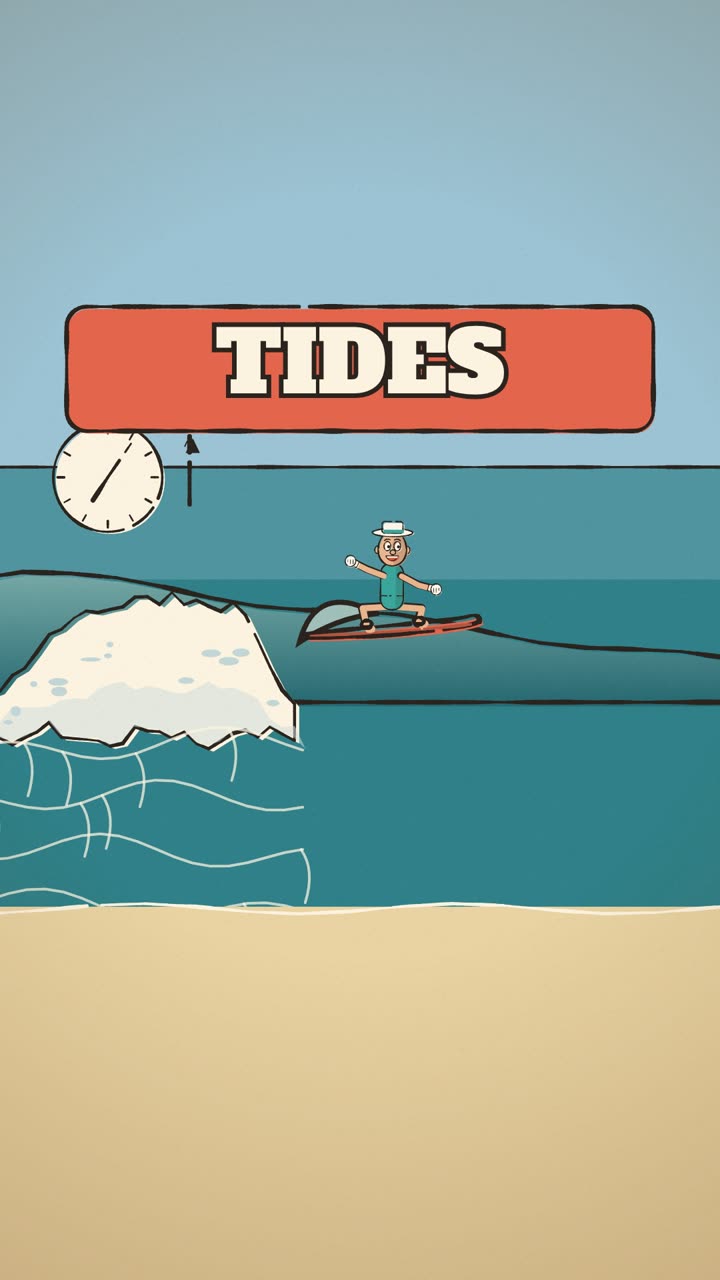
Mid to high tide: soft waves. With water over the rocks, the waves roll in softly and you have room to fall. This is the window to aim for. Check a tide chart before you go and plan your session around it. Our tides guide explains how to read one.
Who it suits
First-timers, kids, surf school groups and longboarders who like soft, slow rollers. If you want punchy waves, this isn't the place on most days.
Beginners: start at the Boneyard, on the soft west side of the beach, but not right next to the jetty. Walk in well clear of the jetty rocks. Waves and currents can push you toward them, so start far enough east of them that a drift won't take you there. Lie on your board in the knee- to waist-deep foam and ride the broken waves toward the sand.
Beginner tip: Pick a mid or high tide, stand where the water is waist-deep, and turn around to ride the whitewater. You don't need to paddle out to the back to learn here.
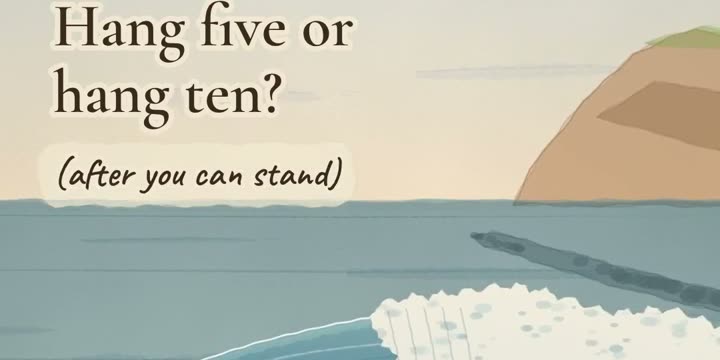
Longboarders: the slow, clean shoulders are made for walking the board. Hanging five (toes of one foot over the nose) and hanging ten (both feet) are the classic Doheny goals. They come after you can stand up and trim comfortably, so learn to ride the whitewater first.
Sharing the water
Surf schools fill the Boneyard. Keep a gap between you and the groups, and look both ways before you go for a wave. One rider per wave, and the rider closest to the breaking part has the right of way.
Swell and season
Doheny is best on south swell, mostly in summer. The wall blocks a lot of the swell, which is exactly why it stays small. In summer the water can reach about 70 °F, warm enough for a spring suit.
Winter is different. From November to March the water runs about 57 to 62 °F, so wear a 4/3 mm wetsuit, and booties help on the cobbles. Winter brings bigger swells from the northwest and west, but the wall blocks most of them, so expect many small, quiet days. Days are short, so plan to be out of the water well before dark.
The San Juan Creek rule
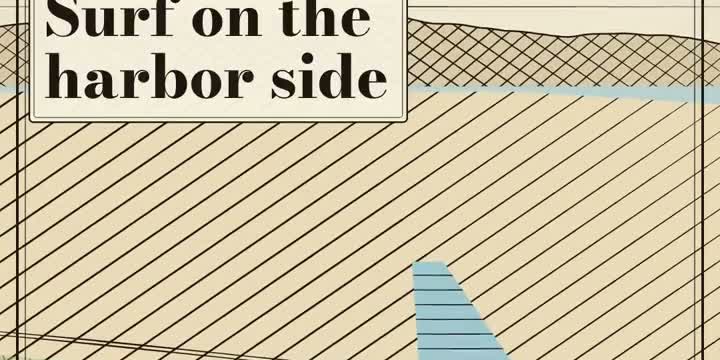
San Juan Creek runs out across the beach. After rain, runoff carries germs down the creek and into the surf, and they can make surfers sick. Surf on the harbor side of the creek. After rain, check ocbeachinfo.com for water-quality advisories before you go in, and stay out while one is posted. Winter is the rainy season, so this matters most now.
Common mistakes and fixes
- Paddling out on a minus tide. You'll be walking over slippery cobbles in shallow water. Come back at mid to high tide.
- Starting next to the jetty. It looks calm by the wall, but the rocks are right there. Walk in well clear of them.
- Trying to noseride before you can stand. Learn to pop up and trim on the whitewater first.
- Dropping in on a surf school. Groups take a lot of space. Keep a gap and wait your turn.
- Surfing right after a storm without checking. Look up the water-quality advisories at ocbeachinfo.com first.
Safety note
Take slow steps when you walk in over the cobbles (booties help), shuffle your feet where the bottom turns to sand, wear your leash, and keep your board between you and the waves when you wade out. If you feel a current pulling you along the beach or out to sea, paddle across it, parallel to the shore, and come in where waves are breaking. Read more in our rip current guide.
FAQ
What tide is best for surfing Doheny?
Mid to high tide. On a minus tide about 100 yards of cobbles show and the water gets very shallow, which makes walking in and falling off harder.
Is Doheny good for beginner surfers?
Yes. The harbor wall softens the swell, so the Boneyard by the harbor's east jetty is one of the gentlest breaks in Orange County. Go at mid to high tide and stay in the knee- to waist-deep foam. In winter it is often small or flat.
What happened to Killer Dana?
Killer Dana was a famous right at Dana Point that held 12 to 15 ft swells. Harbor wall work started in 1966 and buried it, and the harbor opened in 1971. The soft waves at Doheny are what's left next door.
Is it safe to surf Doheny after rain?
Runoff from San Juan Creek can carry germs into the surf after rain. Check ocbeachinfo.com for water-quality advisories, stay out while one is posted, and surf on the harbor side of the creek.