 Surfology
Home › Learn › Surf technique
How to kick out of a wave
Kicking out means turning up and over the back of the wave while you're still riding, before it closes out on you or carries you into trouble. You land behind the wave with your board under you, out of the whitewater and ready to paddle back. Bail out the wrong way, and the wave throws your board at you or at someone else.
When to kick out
- The wave ahead is closing out. The face in front of you stands up all at once and there is nowhere left to ride.
- Someone is in your path. A surfer paddling out, or another rider ahead of you.
- You're getting close to trouble. Shallow water, rocks, a pier or a jetty.
- You took a wave that wasn't yours. If you drop in on someone by mistake, kick out right away. See our right of way guide.
How to kick out, step by step
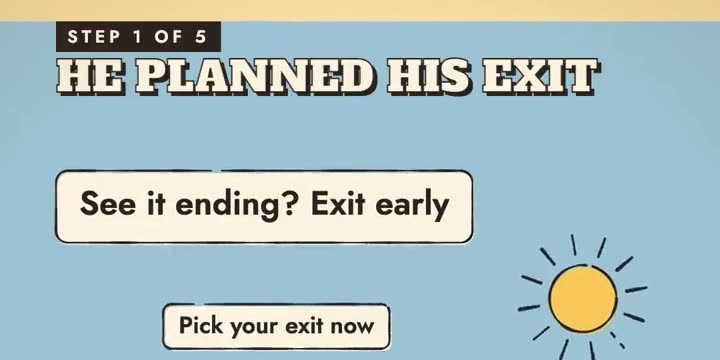
- Plan your exit early. Keep looking ahead along the wave as you ride. When you see the section in front of you start to stand up all at once, decide to go then, while the face ahead is still open. If you wait until the lip is over your head, it's too late.
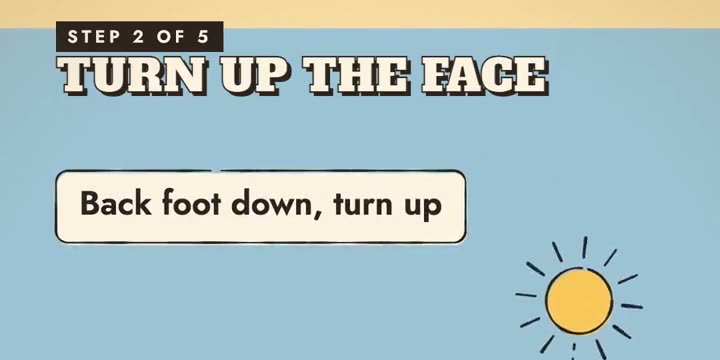
- Back foot down, turn up the face. Shift your weight onto your back foot so the nose lifts, and turn the board up the face toward the top of the wave. Look at the spot where you want to go over. Keep your knees bent.
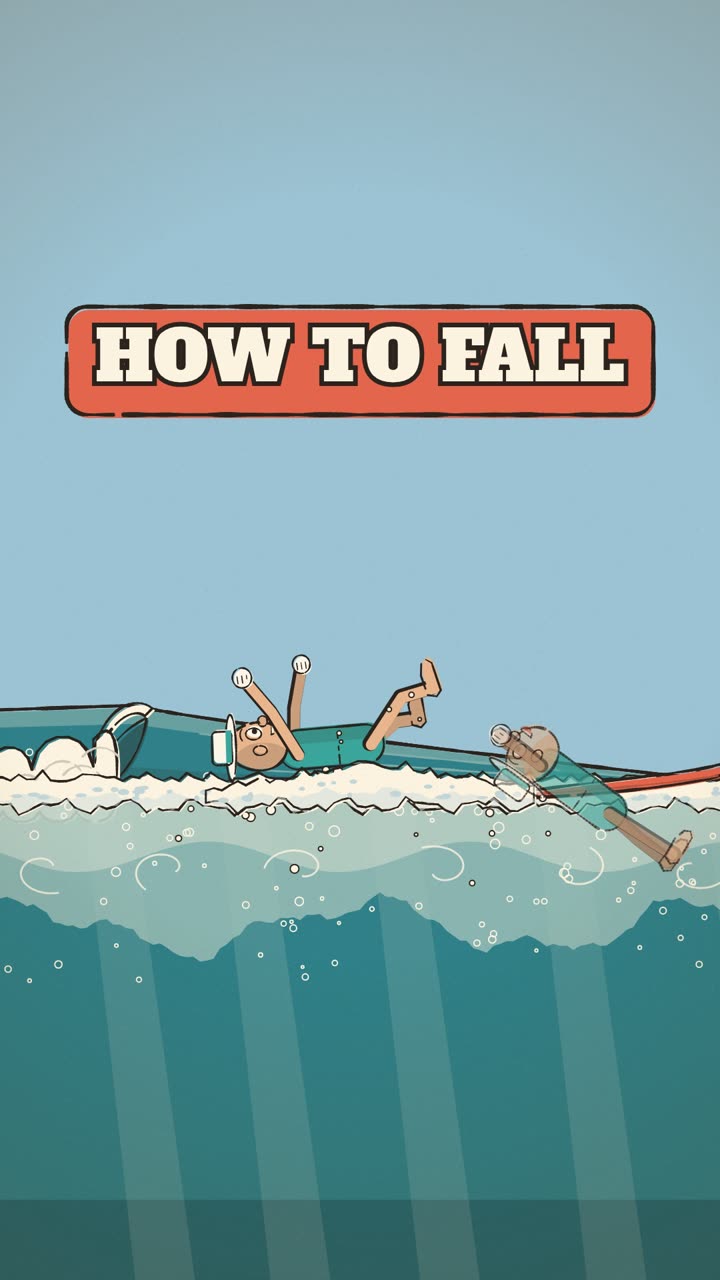
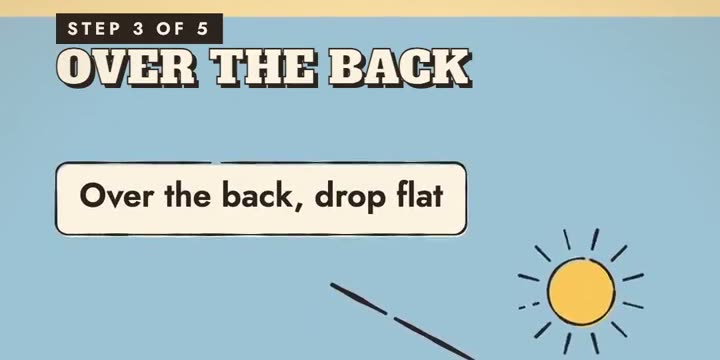
- Go over the back and drop flat. As the board rides up over the top, crouch and drop onto your belly on the board, and slide down the back of the wave. If you can't stay on, fall off flat behind the board, on the back side of the wave.
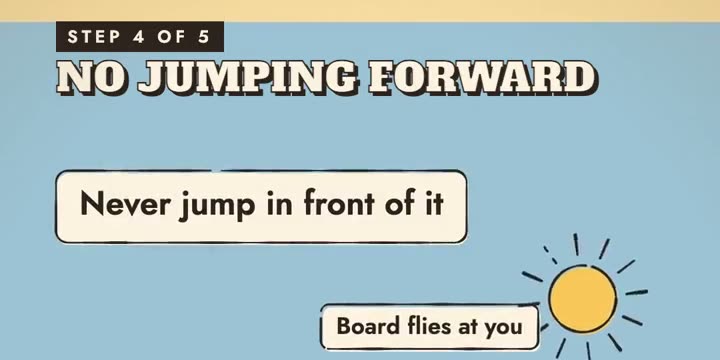
- Never jump off in front of your board. If you jump toward the beach, the wave picks up the board and throws it at you, nose and fins first. The safe side is behind the board and behind the wave. If you do end up in the whitewater, fall flat and cover your head, as in our wipeout guide.
- Look around, then paddle back out. Check behind you for the next wave and around you for other surfers. Then paddle back out around the breaking part, not through the line where someone else is riding.
Beginner tip: Riding whitewater straight to the beach? You don't need to kick out. When the foam slows in shallow water, step off to the side or fall flat and backward, and never dive off headfirst. Sandbars can be much shallower than they look. Once you're off, keep the board beside you, never between you and the next wave.
Common mistakes and fixes
- Waiting too long. If the lip lands on you, you left it too late. Go while the face ahead is still open.
- Jumping forward. You land in front of the board and the wave throws it at you. Go over the back or fall off behind it.
- Kicking the board away. The "kick" is a turn, not a shove. A loose board can hit you or someone nearby. Keep it under you.
- Leaning back too hard. Stomp on the tail with straight legs and the board shoots out from under you. Bend your knees and turn smoothly.
- Not looking first. Kicking out into someone paddling out can send your board into them. Look over the top before you go.
- Resting in the impact zone. After you kick out, paddle away from where the waves break before you sit up.
Land drill
Stand in your surf stance on soft sand, knees bent. Look up and to the side at the imaginary top of the wave, shift your weight onto your back foot and turn your shoulders that way. Then drop to your knees and onto your belly in one smooth move, as if landing on the board behind the wave. Do it 10 times turning one way and 10 times the other. The look and the weight shift should happen together.
Safety note
Always wear a leash, and check it before every session. Kick out early when other surfers are around: you are responsible for where your board goes. If you can't get over the back, fall flat, cover your head and come up with your arms over your head.
In winter, from November to March, SoCal gets bigger northwest and west swells, and more waves close out on beach breaks, so you'll kick out more often. The water is about 57 to 62 °F, so wear a 4/3 mm wetsuit. Days are short, so plan to be back on the sand well before dark.
FAQ
What does kick out mean in surfing?
Kicking out is ending a ride on purpose by turning up and over the back of the wave. You finish behind the wave with your board, instead of getting caught in the whitewater in front of it.
How do I end a ride without falling?
Put your weight on your back foot, turn up the face and ride over the top, then drop onto your belly on the board as it slides down the back. Do it early, while the face ahead is still open.
Is it OK to jump off my surfboard?
On a wave, only behind the board, on the back side of the wave, and only by falling flat. In slow whitewater near the beach you can step off to the side. Never jump off in front of the board, because the wave throws it at you, and never dive headfirst.
When should I kick out of a wave?
Kick out when the wave ahead is closing out, when someone is in your path, when you're getting close to shallow water, rocks or a pier, or when you realize you've dropped in on someone.