 Surfology
Home › Learn › Spot guides › Honolulu
Waikiki's five reefs, from Castles to Pops
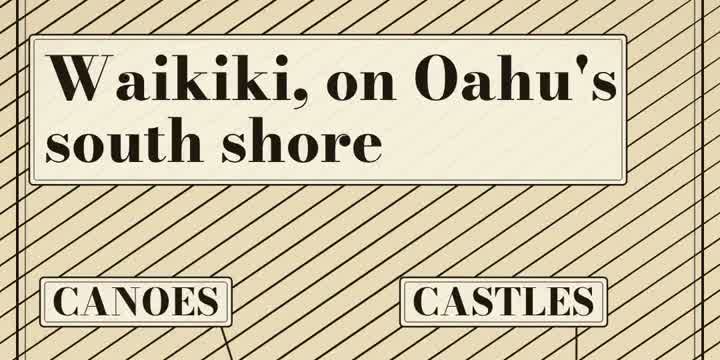
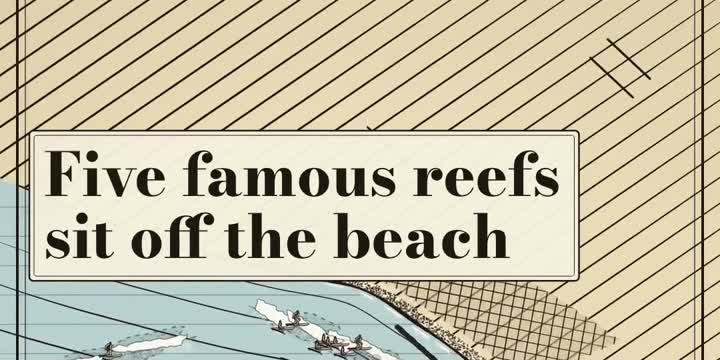
Waikiki, on Oahu's south shore in Honolulu, is where one of surfing's most famous rides happened. Off the beach sit five well-known reefs: Castles, Publics, Queens, Canoes and Pops. They break over reef and sand, and most of them are rights.
The breaks
Running along the shore, the main reefs are:
- Castles: where Duke's famous 1917 ride began.
- Publics: the next reef along from Castles, on the line of Duke's ride.
- Queens: the longboarders' right, the classic longboard wave.
- Canoes: a busy break shared with outrigger canoes.
- Pops: a right that peels east, like Queens.
Between Publics and Queens sits one more named reef, Cunha's.
The season: summer south swells
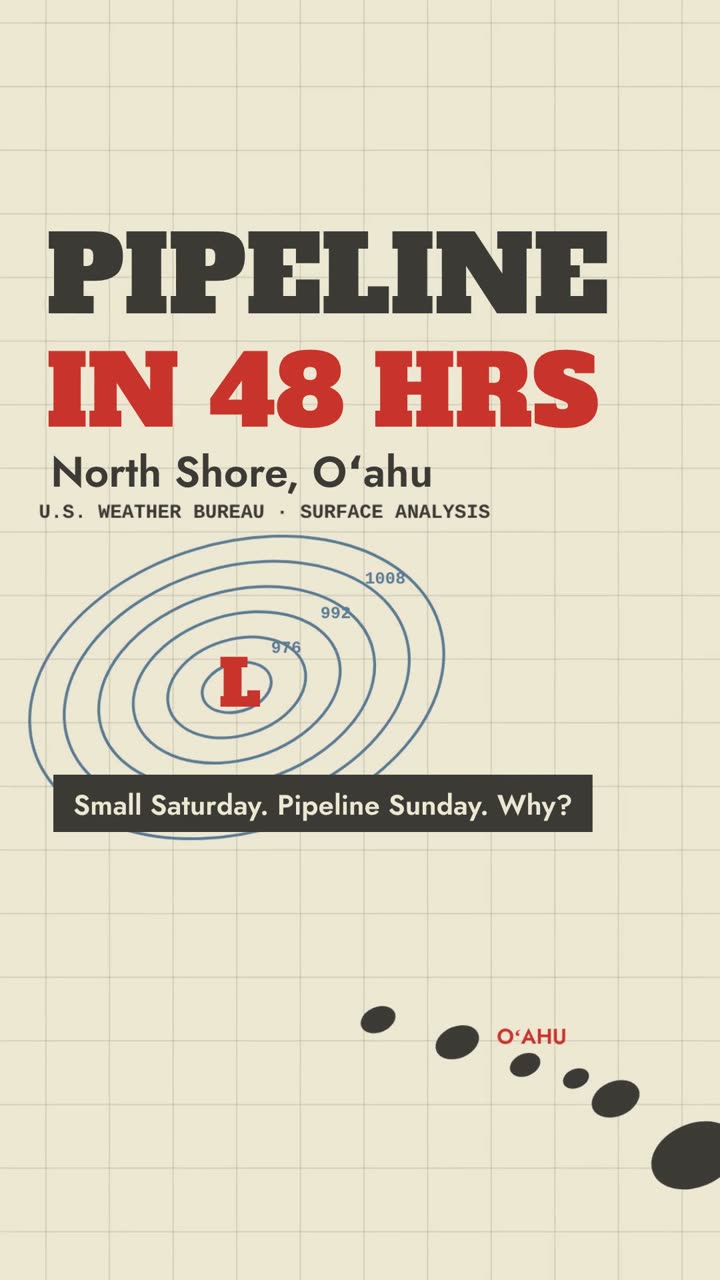
Hawaii's seasons are the reverse of what many SoCal surfers expect. The North Shore gets its giant surf in winter, from North Pacific storms. Waikiki faces south, so it lights up with south swells from April to September. In winter, the south shore is usually smaller and gentler, which is why beginners visiting Oahu in winter head south while experts take on the North Shore. Our North Shore swell explainer covers how those winter swells build.
So don't bring SoCal winter rules to Waikiki. The 57 to 62 °F water and 4/3 mm wetsuit of a California winter don't apply here; Hawaii's water is far warmer. Check the local forecast and conditions instead.
Duke's mile
In 1917, Duke Kahanamoku caught a wave at Castles.
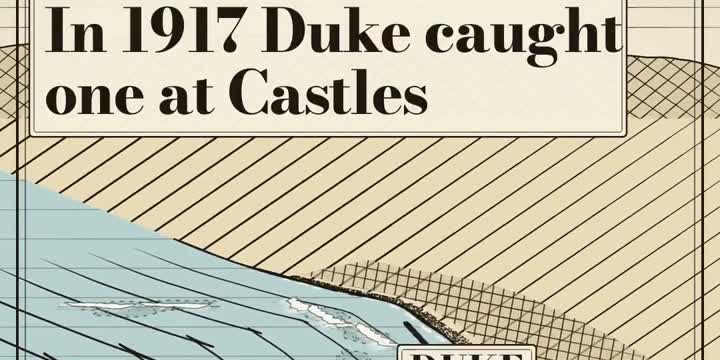
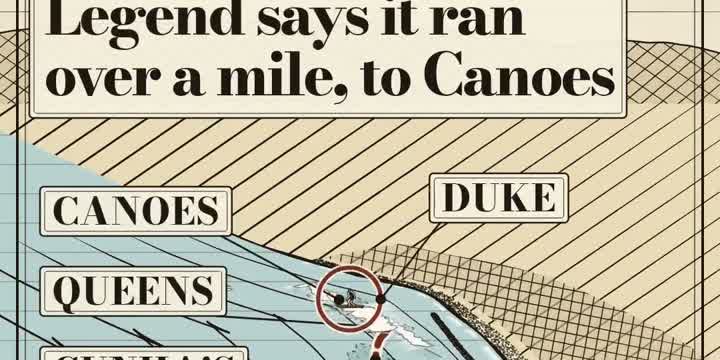
Legend says it carried him more than a mile, across Publics, Cunha's and Queens, all the way to the edge of Canoes.
He rode it on a 16-foot redwood board with no fin.
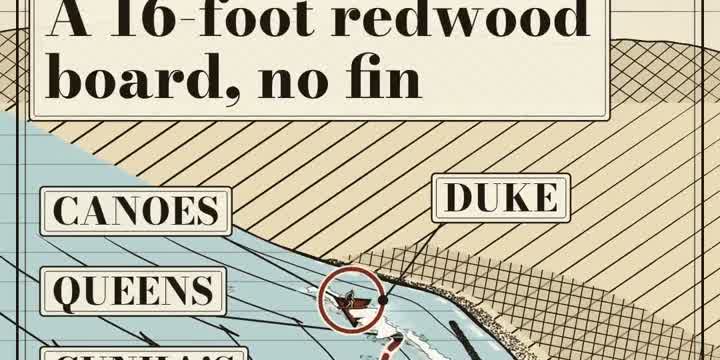
Whether or not it was a full mile, the story ties all of Waikiki's reefs together in one ride.
Canoes and the beach boys
Canoes takes its name from the outrigger canoes. Waikiki's beach boys gave visitors canoe rides here, and outriggers still surf the waves through the lineup. They are big, heavy and hard to steer, so keep well clear of them.
How to surf Waikiki
Share the waves. Waikiki's lineups are crowded, and surfers share them with outrigger canoes. The rider closest to the peak has the wave. Don't drop in, and don't paddle through someone's ride. Our right of way guide covers the rules.
Respect the reef. The bottom is reef and sand, and the reef can be shallow. When you fall, fall flat and shallow, never dive headfirst, and cover your head as you come up. Wear a leash.
Beginner tip: Take a lesson or go out with someone who knows the reefs. Pick small days, watch for 20 minutes first and learn where the channels are before you paddle out.
Common mistakes and fixes
- Expecting big waves in winter. Waikiki's season is April to September. Winter swells mostly hit the North Shore.
- Diving off your board. Over a reef, fall flat and shallow.
- Sitting in a canoe's path. Outriggers can't turn fast. Give them plenty of room.
- Dropping in on a crowded peak. Look toward the peak before you go.
Safety note
Over reef, every wipeout should be a flat, shallow fall with your arms covering your head. Wear a leash, keep your board under control in a crowd, and watch for canoes. If the swell is bigger than you're comfortable with, watch from the beach.
FAQ
When is the best time to surf Waikiki?
Waikiki faces south, so its season is the summer south swells, from April to September. In winter, the south shore is usually smaller, while the big surf hits the North Shore.
What are the surf breaks at Waikiki?
Five well-known reefs sit off the beach: Castles, Publics, Queens, Canoes and Pops. They break over reef and sand and are mostly rights. Queens is the classic longboard right.
Did Duke Kahanamoku really ride a wave over a mile?
Legend says that in 1917, Duke caught a wave at Castles that carried him more than a mile, across Publics, Cunha's and Queens to the edge of Canoes, on a 16-foot redwood board with no fin.
Why is it called Canoes?
The break is named for the outrigger canoes. Waikiki's beach boys gave visitors canoe rides there, and outriggers still surf the waves through the lineup today.