 Surfology
Home › Learn › Spot guides › Malibu
Gidget's Malibu: the wave that started a surf boom
Malibu's First Point is one of the most famous waves in the world, and a lot of that fame comes from one teenager's summer diary. Before you paddle out, it helps to know how the wave works, when it breaks and how its crowded lineup flows.

The break
Malibu is a point break made of cobblestones. Three points, First, Second and Third Point, line up along the shore, and together they make one long right. On a good day, rides run about 300 yards toward Malibu Pier.

The waves
Surfrider Beach faces south, so it needs south swell. The best months are August and September. It breaks from about 2 to 8 ft, but most days it is 2 to 4 ft. It is best on a mid tide. The cobbles shape the wave into a smooth, peeling wall that suits longboards and noseriding.

Malibu's history, in order
- 1927: Tom Blake and Sam Reid surf Malibu, often credited as the first to ride it.
- The 1950s: the light balsa "Malibu chip" arrives, a board about 10 ft long.
- Summer 1956: Kathy Kohner, five feet tall, surfs First Point. The surfers call her Gidget, short for "girl midget."
- 1957: her diary becomes a novel, written by her father.
- 1959: the Gidget film, with Sandra Dee, takes surfing mainstream. After Gidget, Malibu sees over 100 surfers a day.
- The 1960s: Miki Dora and Lance Carson set the style. Carson becomes known as a noseriding master. (Leashes didn't exist until 1971, so every rider in this era goes without one.)
- October 2010: Malibu becomes the first World Surfing Reserve.
- August 2014: during Hurricane Marie, Laird Hamilton shoots the pier.

How to surf Malibu today
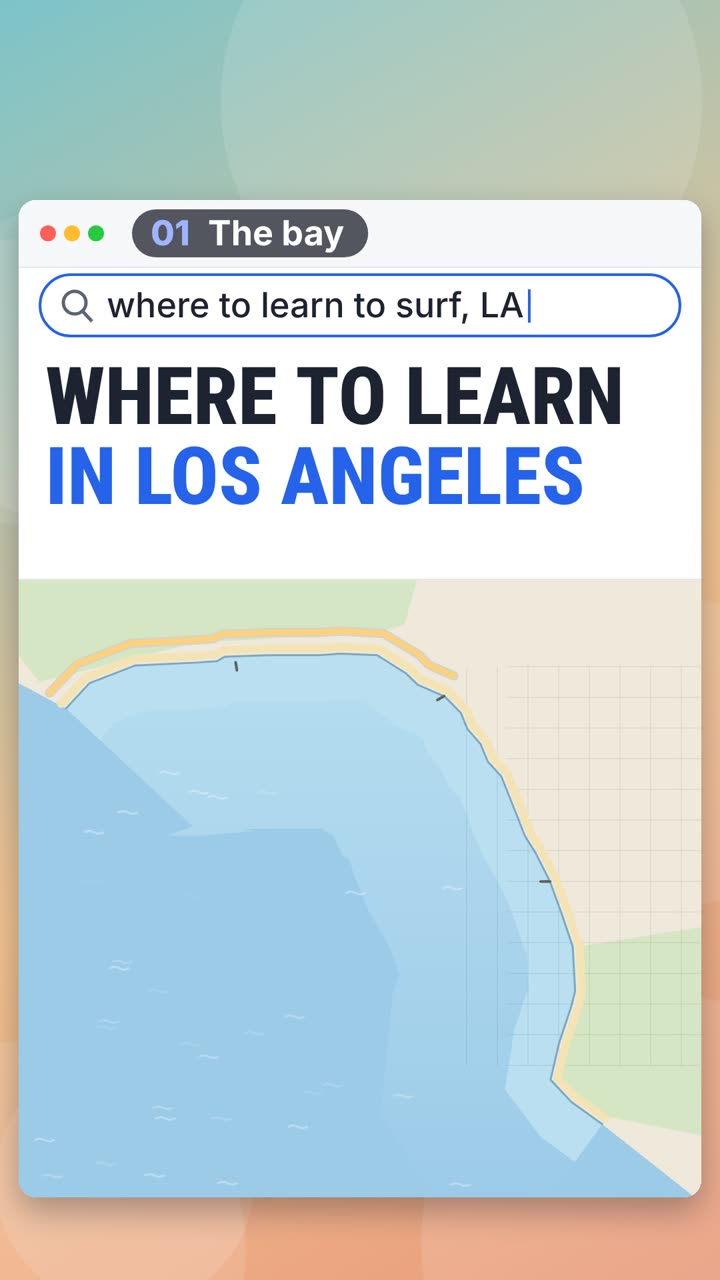
Who it suits. Malibu is crowded. In summer there are often 40 to 100 surfers in the water. Experienced longboarders will love it. If you're still learning, pick the small days, and on busy days, watch first. Our LA guide lists easier beaches to learn at.

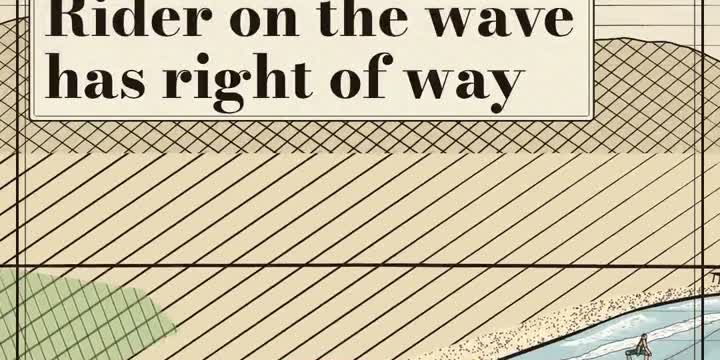
Right of way. The rider on the wave has the right of way. With so many surfers, that rule keeps everyone safe. Don't drop in, and don't "snake" by paddling around someone to get inside them.
Paddling out. Paddle out wide of the riders. Never paddle up the inside. That is the water just ahead of the breaking peak, and it is exactly where riders are headed. If a rider comes at you, paddle toward the whitewater behind them, not into their path.
Hazards. Rocks and urchins show at low tide. Wear booties if you're walking out over the cobbles.
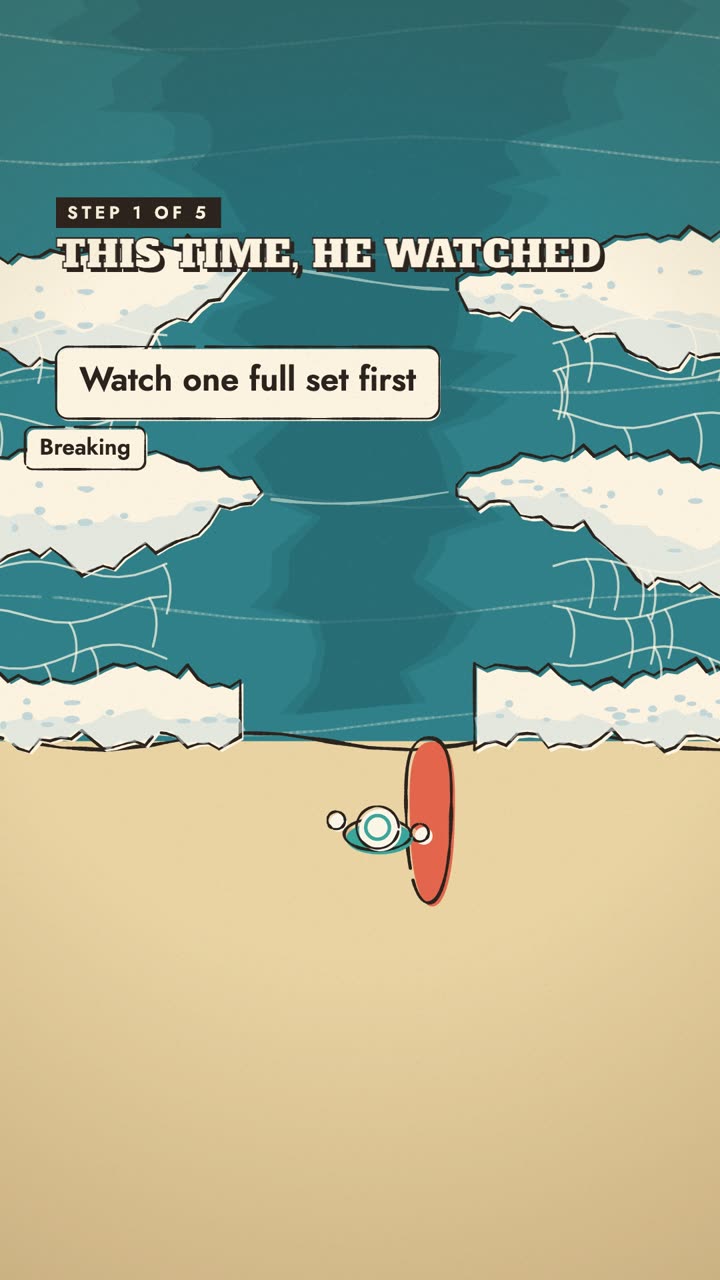
Beginner tip: Sit on the beach for twenty minutes before you go out. Watch where people paddle out, where the riders go and how the sets come in. At Malibu, knowing the traffic pattern matters as much as catching waves.
Winter at Malibu
Because Malibu faces south, it wakes up in summer and is often small in winter, when most swells come from the northwest and west. Water runs about 57 to 62 °F from November to March, so wear a 4/3 mm wetsuit. Winter is also the rainy season: after rain, Malibu Lagoon runs dirty into the surf, and health officials post advisories. Wait at least 72 hours after rain and check the water quality first.
Common mistakes and fixes
- Paddling straight up the point. Go wide, around the breaking waves, not through the riders' path.
- Dropping in because the wave looks open. Look toward the peak first. If someone is up and riding, it's theirs.
- Learning here on a crowded summer day. Learners pick the small days, or start somewhere easier.
- Surfing right after rain. Check the water quality first; the lagoon can foul the lineup.
Safety note
In a crowd, loose boards are the biggest danger. Wear a leash, hold onto your board, and never throw it when a wave comes. Watch for rocks at low tide and give other surfers plenty of space.
FAQ
Who was Gidget in Malibu?
Gidget was Kathy Kohner, a five-foot-tall teen who surfed First Point in the summer of 1956. Her diary became a 1957 novel by her father and then the 1959 film with Sandra Dee, which took surfing mainstream.
When is the best time to surf Malibu?
Malibu faces south and needs south swell, so the best months are August and September. It's best on a mid tide, from about 2 to 8 ft, though most days are 2 to 4 ft.
Is Malibu good for beginners?
It's a crowded lineup, with 40 to 100 surfers on summer days, and in winter it is often small. Learners should pick the small days, watch first, paddle out wide and never paddle up the inside.
What is the Malibu World Surfing Reserve?
In October 2010, Malibu's Surfrider Beach became the first World Surfing Reserve, recognizing the wave and its place in surf history.