 Surfology
Home › Learn › Spot guides › San Onofre
How to surf Old Man's at San Onofre
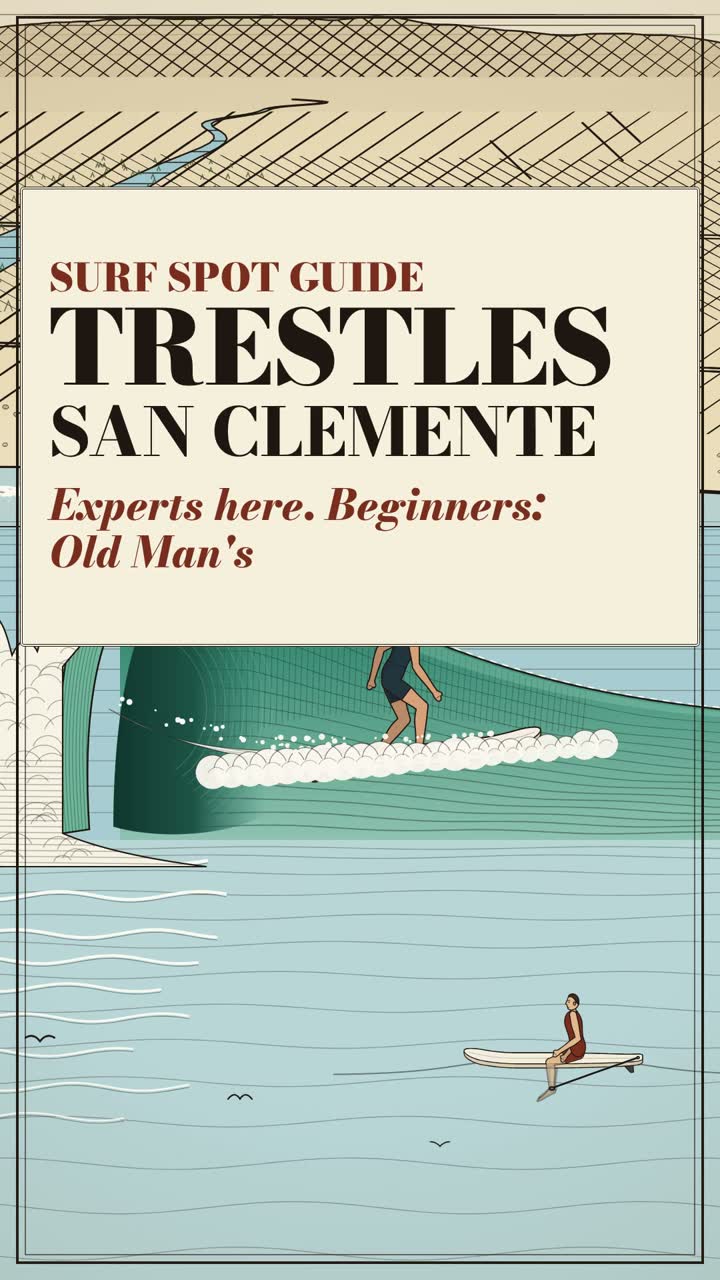
Stand on the bluff at San Onofre and something looks odd. The waves break a long way out, then roll toward the beach as foam. Old Man's is San O's main peak, at Surf Beach in San Diego County. San O is one of the gentlest and most loved surf beaches in Southern California, and the reason is hidden under the water.
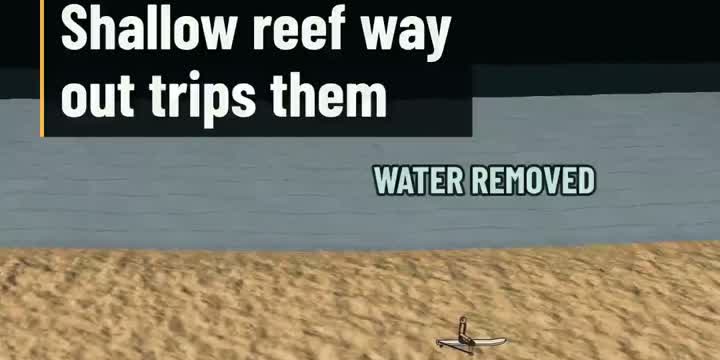
Why the waves break so far out
A shallow cobblestone reef sits 200 to 400 yards offshore, according to California State Parks. Swell coming in from deep water "feels" that shallow reef and trips over it, so it breaks way out there instead of near the sand.
The reef rises gently, not steeply. A gentle slope makes waves spill softly from the top instead of pitching over in a hollow tube. The crest crumbles into foam, and the wave stays slow and forgiving. That's why Old Man's is famous for long rides on longboards, and why surfers often compare it to Waikiki.
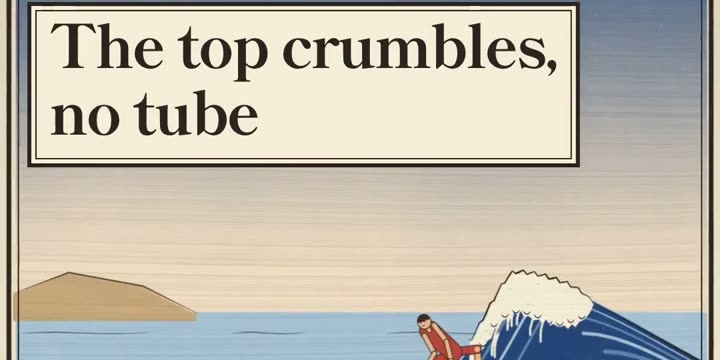
The waves peel both ways, rights and lefts. After they break on the reef, they reform and roll in as long, soft foam on the inside.
Who it suits
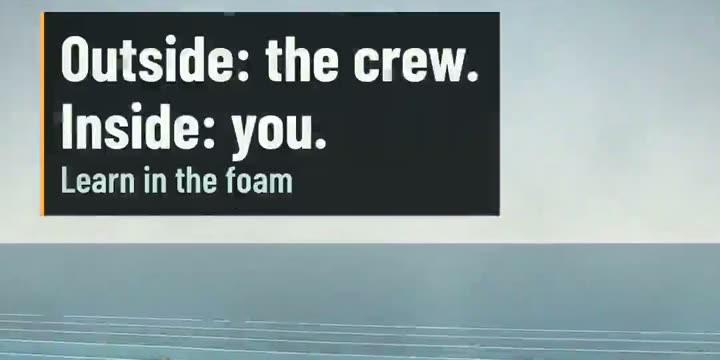
The outside: experienced longboarders. The crew you'll see sitting far out. It's a long paddle, and the peak is often crowded.
The inside: beginners. You learn in the reformed foam close to shore, without paddling out through the breaking waves.
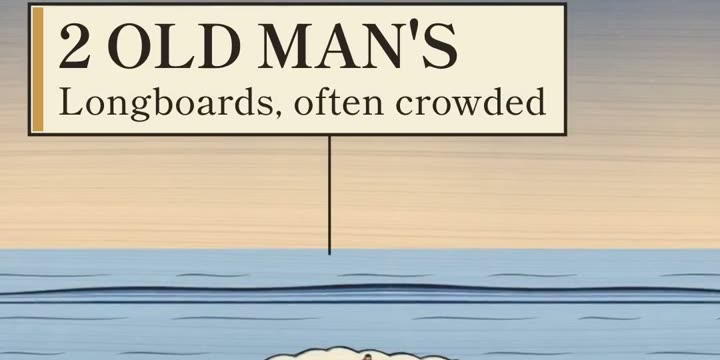
San O has two other peaks. Dog Patch, just south on the inside end of the same reef, is the gentler one, with smaller first-day waves. The Point is steeper, for surfers who already ride open faces.
Beginner tip: Stay on the inside in the reformed foam. Wade to about waist-deep, turn your board toward the beach and push off as a line of foam reaches you. If you want even smaller waves, walk a bit south to Dog Patch.
Party waves, San O style
Most breaks follow a strict one-surfer-per-wave rule. Old Man's waves are so slow that several riders can share one, and sharing a wave is a tradition here. A party wave is several riders spread out along the shoulder. There are rules: call it out loud, leave room between riders, and only join when you're invited. If no one invites you, the normal right of way applies: the rider closest to the breaking part has the wave. Paddle around the peak, not through it.
Swell, tide and winter
Old Man's is at its best on south swells, mostly in summer. It works in winter too, but it is often smaller and less consistent. When a big northwest or west swell does show, the outside gets more serious and the inside foam gets stronger. Stay inside on big days, and save your first sessions for small ones.
From November to March the water is about 57 to 62 °F, so wear a 4/3 mm wetsuit. Winter high tides cover more of the beach and push the shorebreak onto the rocks, so mid-tide is often the easiest time to get in and out. Skip the king-tide highs this winter (Nov 24 to 26 and Dec 23 to 25, 2026). Days are short, so plan to be out before dark.
Walking in over the cobbles
The bottom is cobblestone: round, slick and hard on bare feet. Booties do double duty here, grip on the cobbles and warmth in winter.
- Put your booties on and your leash on.
- Carry your board at your side, nose to the sea.
- Take slow, small steps.
- Wait for a lull between sets, then go.
History: from planks to the shacks
- About 8,000 years ago: Panhe, by San Mateo Creek, goes back this far. It is still sacred to the Acjachemen.
- 1930s: surfers began coming here. The story goes that Old Man's is named after those old-timers.
- 1937: surfers paid 25 cents a day to surf, carrying 10 to 12 ft redwood planks past their old cars.
- 1943: the military base closed the beach.
- Late 1940s: the first shacks went up on the sand.
- 1952: the San Onofre Surfing Club, about 400 members strong, secured access for surfers. The club's palm-frond shacks are still a big part of San O's culture.
The vanishing parking lot
San O's beach parking lot is disappearing. Almost half of it has been lost in about 10 years, according to the Dana Point Times. Access and repair plans keep changing (this is as of Oct 29, 2026), so check State Parks updates at parks.ca.gov before you drive down.
How the lot shrank
- Volleyball courts washed away. They once stood where the water now reaches.
- 2017: a rock wall went in along part of the lot.
- Feb 2024: the cliff drain broke and the road washed out, and the edge kept creeping in.
Oct 7, 2026
A big swell hit the beach. Early October's big surf in Orange County came from Hurricane Rachel off Mexico and landed on high tides. The sea went around the end of the rock wall, cut the access road and the lot, and broke the water main. Behind it all, the sea keeps rising: a NOAA tide gauge at La Jolla shows a trend of about 0.68 ft per century.

Getting in (as of Oct 29, 2026)
The beach was open, but the lower lots were closed to cars, with no water and no restrooms.
- Bike in: park at the Trail 1 lot and ride about 2 miles north on Old Pacific Highway to the gate.
- Rideshare: get dropped at the Surf Beach gate.
- Bring water: all you need for the day.
The ride in and out takes time in winter, so leave early.
Three ways to fix it
Three options were on the table: more rock, a cobble berm, or moving the lot up the bluff. As of Oct 29, 2026, a recommendation was due in early November. Check parks.ca.gov and local news for what was decided.
Common mistakes and fixes
- Paddling out to the outside peak on day one. It's a long paddle and the crew out there is experienced. Learn in the inside foam first.
- Jumping onto a party wave uninvited. Wait for someone to call you in. Otherwise it's a drop-in.
- Going barefoot. The cobbles are slippery and hard. Wear booties and take slow steps.
- Riding too close to others. On a shared wave, leave room so no one gets hit by a board.
- Sitting under the bluff for shade. Bluffs can slide. Stay 10 ft back.
- Forgetting water. As of Oct 29, 2026, there was none at the beach.
Safety note
The paddle out to the reef is long, and the waves look smaller from the beach than they are. Know your limits, wear your leash, and come in before you're exhausted. The bottom is shallow cobblestone, so if you fall, fall flat and cover your head with your arms as you come up. On a shared wave, keep control of your board and kick out early if it gets crowded. With the lower lots closed you are more on your own than usual, so bring water, a phone and a friend. Stay off the eroded edge of the lot and the bluff, and on big swells or king tides stay back from the edge of the beach, where the sea hits hardest.
FAQ
Why do waves break so far out at San Onofre?
A shallow cobblestone reef sits 200 to 400 yards offshore. Swell trips over it far from the beach, and the gentle slope makes the waves spill softly instead of pitching over.
Is Old Man's good for beginners?
The inside is. Beginners learn in the foam close to shore, while experienced longboarders sit at the outside peak. For even smaller waves, try Dog Patch just to the south.
What is a party wave?
A party wave is one wave shared by several surfers, spread out along the shoulder. At San O it's a tradition: call it, leave room, and only join when you're invited.
Why is the San Onofre parking lot disappearing?
The sea has been eroding it for years. Almost half the parking has been lost in about 10 years, per the Dana Point Times. On Oct 7, 2026, a big swell went around the end of the rock wall and cut the road and lot. As of Oct 29, 2026, the lower lots were closed; check parks.ca.gov for current access.