 Surfology
Home › Learn › Spot guides › Bolsa Chica
Surfing Bolsa Chica: your first day, and the beach's trash-camp past
Bolsa Chica State Beach in Huntington Beach is about three miles of sand with soft sandbar peaks, and it is an easy place for a first surf day. Bring the right payment and a soft-top, learn in the whitewater well away from the inlet jetties, and finish at a fire ring at sunset.
Parking and dogs
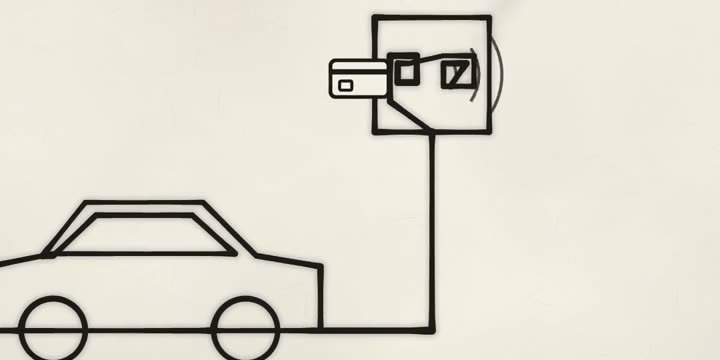
Bolsa takes no cash. Parking is $15, paid by card or QR code, and $20 on summer weekends. Have your card or phone ready before you pull up to the pay post.
If your dog comes along, it stays on the path and in the lots, not on the sand. Dog Beach is just south of Seapoint, if you want a beach where dogs are allowed.
Where beginners learn
Beginners learn in the whitewater near the sand. Use a soft-top board with a leash. The inlet and its boulder jetties sit mid-beach, so pick a spot far from them. With three miles of sand, there is plenty of room.
- Walk in until the foam is knee- to waist-deep.
- Shuffle your feet as you go, so stingrays swim off.
- Turn your board to the beach, wait for a line of whitewater, and paddle two or three strokes as it reaches you.
- Ride it straight in, then walk back out.
Beginner tip: Don't paddle out past the breaking waves on day one. Every ride in the whitewater teaches you balance, and you catch far more waves.
Once you can ride the foam, the peaks out front are the next step. The sandbars build soft A-frame peaks that break left and right, and longboarders ride them on small days.
When to go
- Early. The wind comes up later in the day and chops up the water. Mornings are usually smoother.
- Mid tide. The sandbars stand up best at mid tide. High tide goes soft, and low tide gets steep.
Lifeguards
Lifeguard towers are staffed in summer only, but patrols run all year. If a guard is on duty, ask where to learn that day. They know where the rips and currents are.
Hazards
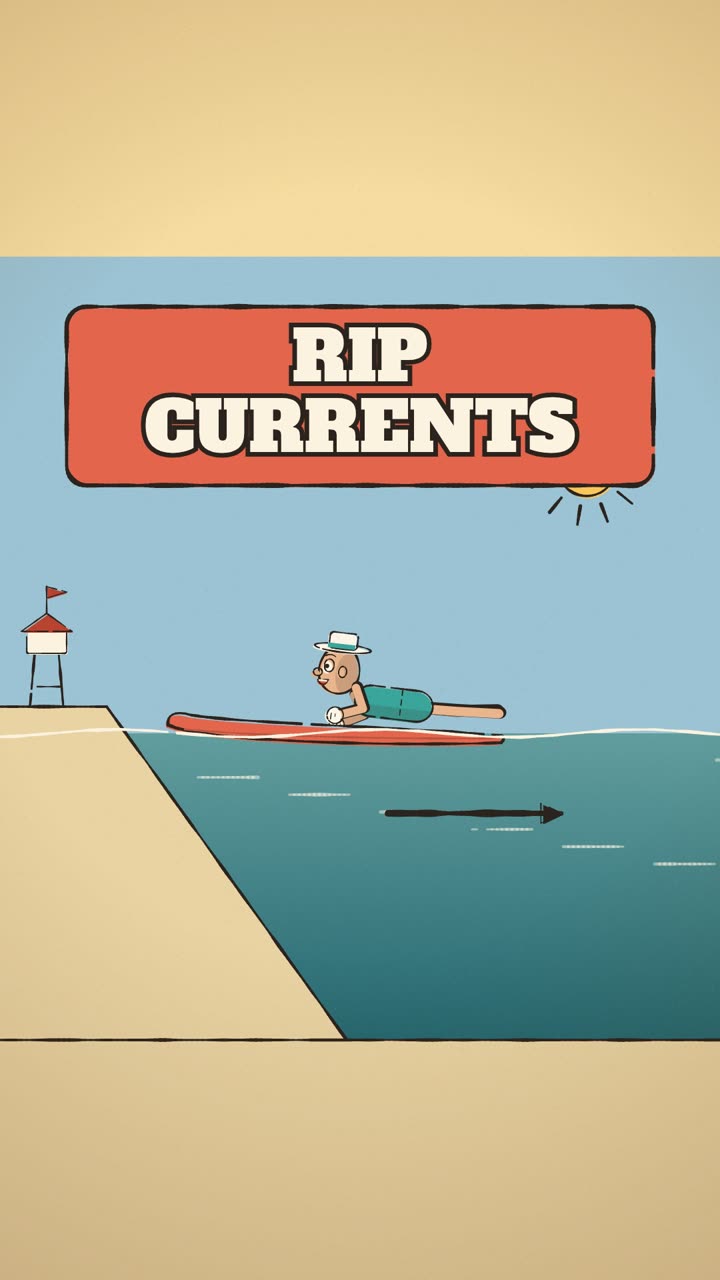
- Rips by the jetties. Rips hide in the dark water beside the boulder jetties at the inlet, and the tide pulls hard through the mouth itself. Pick a spot well away from both.
- Stingrays. Warm, calm water pulls rays in close, and they rest where you step. Bolsa Chica and Huntington State Beach had more than 3,100 stings by mid-August 2026. That is a summer number. Rays are fewer in cold winter water, but shuffle in all year.
Sunset at the fire rings
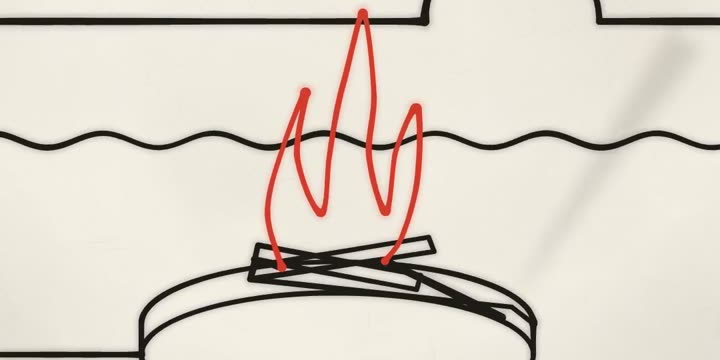
Fires go in the fire rings only. Burn wood or coal in them, and leave charcoal grills at home.
Tin Can Beach: the history
The 1950s: a trash camp
In the 1950s, locals called this place Tin Can Beach. It was a summer camp and a trash heap at the same time. Rusty can ends stuck out of the sand, so walking barefoot was a bad idea. The trash piles reached 300 tons, and campers stayed all summer long.
By 1961: the state steps in
By 1961 the state had bought the beach; sources give 1960 or 1961. Then crews hauled the cans off, truckload after truckload, and the camp became the state beach you park at today.

The marsh and the inlet
Behind the beach sits the Bolsa Chica marsh. A gun club dammed it in 1899, and for 107 years the tide could barely get in. On August 24, 2006, a new inlet opened under PCH, and seawater poured back into the wetlands. That inlet sits mid-beach, with boulder jetties on each side, and it is the reason for the rips and the strong current at the mouth that beginners stay away from today.
Winter notes
From November to March, SoCal is in winter. The water is about 57 to 62 °F, so rent or wear a 4/3 mm wetsuit, booties optional. Winter brings bigger northwest and west swells and shorter days, so the peaks can be bigger, the whitewater stronger and the towers empty. Pick a small morning at mid tide, find a patrol truck or ask at the lot, and remember the sun sets around 5 p.m. in November, so the fire comes early.
Common mistakes and fixes
- Bringing only cash. The lot takes no cash. Bring a card or use the QR code.
- Setting up near the inlet. The jetties have rips and the mouth has a strong current. Move well down the beach.
- Renting a hard board on day one. A soft-top is safer for you and everyone around you.
- Arriving in the afternoon. The wind comes up. Come in the morning.
- Going at high tide. The waves get soft and slow. Aim for mid tide.
- Walking in without shuffling. Slide your feet so rays move away.
Safety note
Wear a leash, keep your board between you and the waves, and stay where the water is knee- to waist-deep. If a current pulls you out, stay on your board and paddle sideways, parallel to the beach, until the pull stops, then ride the whitewater in. If you can't get out, sit up and wave to a lifeguard.
FAQ
How much is parking at Bolsa Chica State Beach?
Parking is $15, and $20 on summer weekends. It is card or QR code only, with no cash.
Is Bolsa Chica good for beginner surfers?
Yes, if you learn in the whitewater near the sand on a soft-top with a leash, far from the inlet jetties. Go early, before the wind, at mid tide, and ask a lifeguard where to learn.
Are dogs allowed at Bolsa Chica?
Dogs can stay on the path and in the lots, but not on the sand. Dog Beach is just south of Seapoint.
Why was Bolsa Chica called Tin Can Beach?
In the 1950s the beach was a summer camp and a trash heap, with rusty cans sticking out of the sand and trash piles of 300 tons. By 1961 the state had bought it and hauled the cans away.